


Step into the future of work with Cursor Agents. This isn’t just another tool; it’s a paradigm shift in how we interact with artificial intelligence. Imagine intelligent systems that don’t just process commands but proactively understand your intent, mimic your actions, and complete complex tasks across your digital environment. Cursor Agents redefine efficiency, making your workflows smoother, faster, and incredibly intuitive.
We stand at the precipice of a new era where AI agents elevate human potential, automating repetitive actions and freeing you to focus on innovation. Prepare to unlock unprecedented levels of productivity and transform your daily operations.
- Understanding the Core Concept of Cursor Agents
- Defining AI Agents and Their Purpose
- The Role of ‘Cursor’ in Agent Operations
- The Evolution of AI Agents and Their Capabilities
- Key Features that Define Effective Cursor Agents
- How Cursor Agents Enhance User Experience
- Practical Applications Across Various Industries
- Software Development and Debugging
- Content Creation and Management
- Boosting Developer Productivity with Cursor Agents
- Streamlining Data Analysis and Workflow Automation
- Challenges and Limitations in Cursor Agent Development
- Ethical Considerations for AI-Powered Cursor Agents
- The Future Landscape of Human-AI Collaboration
- Choosing the Right Cursor Agent for Your Needs
- Implementing Cursor Agents in Your Workflow
- Measuring the Impact and ROI of Cursor Agents
- Comparing Cursor Agents with Traditional AI Tools
- Expert Tips for Maximizing Cursor Agent Efficiency
- Frequently Asked Questions
Understanding the Core Concept of Cursor Agents
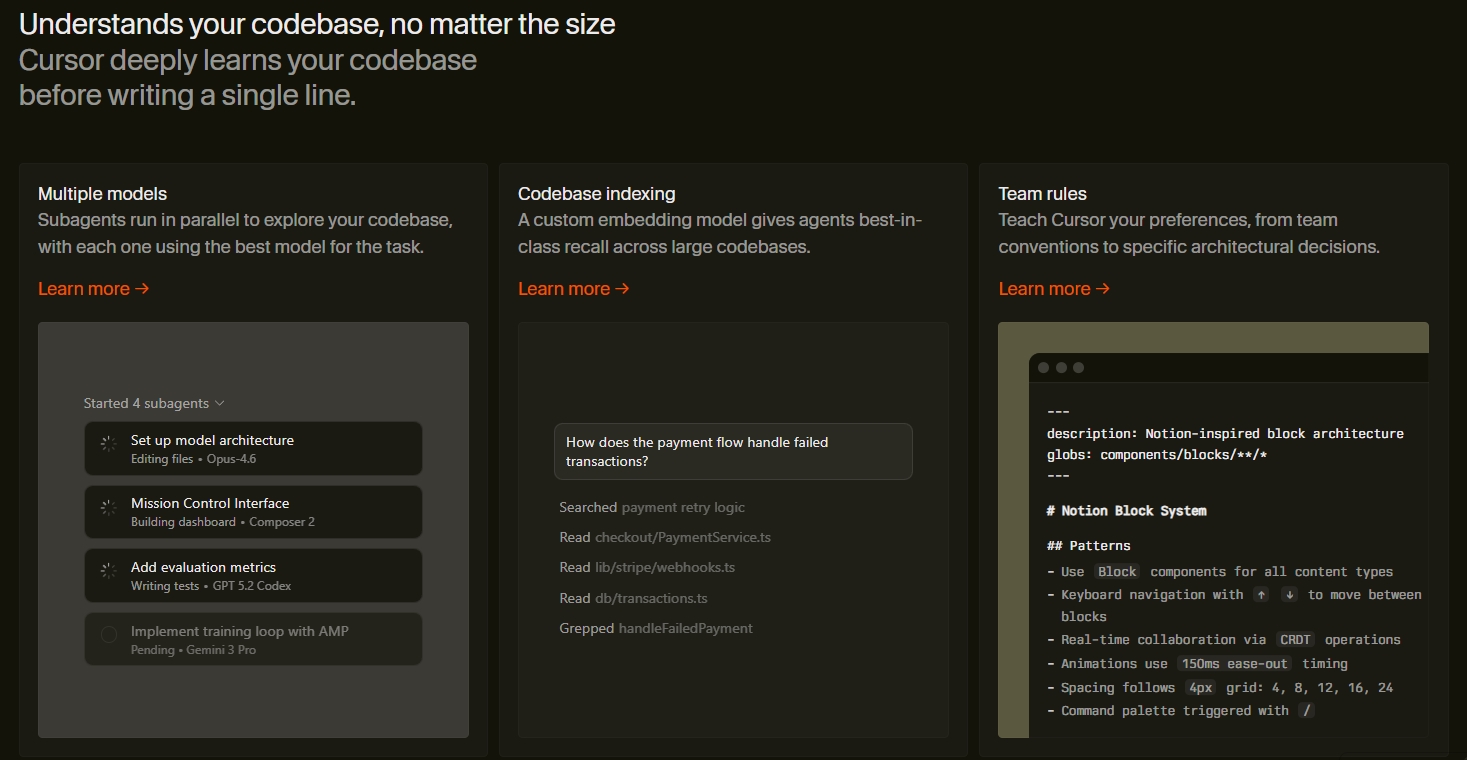
At its heart, a Cursor Agent represents the next generation of intelligent automation. It’s more than a chatbot or a simple script. Think of it as an intelligent assistant that doesn’t just respond to explicit commands but also observes, learns, and acts autonomously within your digital workspace. This advanced form of AI agent operates with a deep understanding of context and intent.
These sophisticated entities are designed to interpret your needs and execute a sequence of actions, often mimicking human interaction with software and interfaces. They bring a new level of dynamism to automated tasks.
Defining AI Agents and Their Purpose
AI agents are autonomous software entities that perceive their environment, make decisions, and take actions to achieve specific goals. Their core purpose revolves around intelligent automation. They exist to simplify complexity, enhance decision-making, and significantly reduce manual effort across various domains. These agents can be as simple as a thermostat adjusting room temperature or as complex as a sophisticated system managing an entire supply chain.
They bring a crucial element of proactive problem-solving, moving beyond reactive responses to anticipate needs and drive outcomes.
The Role of ‘Cursor’ in Agent Operations
The term ‘Cursor’ in Cursor Agents highlights a critical distinction: their ability to interact with digital interfaces much like a human operator. They don’t just run background processes. These intelligent entities effectively “use” software, navigating menus, clicking buttons, typing text, and dragging elements. This capability allows them to perform complex, multi-application automated tasks that traditional backend AI struggles with.
It’s about direct, visible interaction, mirroring human operational patterns, making them exceptionally versatile for a wide range of real-world applications where precise interface control is paramount. They literally move the cursor.
The Evolution of AI Agents and Their Capabilities
The journey of AI agents has been remarkable, transforming from rudimentary rule-based systems to highly sophisticated, adaptive entities. Initially, agents performed predefined, simple tasks. Today, advanced AI agents integrate machine learning, natural language processing, and advanced reasoning capabilities. This evolution brings a profound shift in their power.
Modern agents now handle complex, dynamic environments. They learn from experience, adapt to new information, and even create their own solutions. This extends their reach from single-task execution to intricate, multi-step AI workflow management, making custom agents more powerful than ever.
Key Features that Define Effective Cursor Agents
An effective Cursor Agent isn’t just about automation; it’s about intelligent, adaptive, and seamless operation. Look for these defining characteristics:
- Contextual Understanding: They grasp the nuances of your requests and the environment they operate within, leading to more accurate execution.
- Goal-Oriented Autonomy: Set a goal, and the agent determines the best path to achieve it, even adjusting to unforeseen variables.
- Interface Mimicry: They interact with applications and websites precisely like a human, navigating, clicking, and inputting data directly.
- Learning and Adaptation: These agents improve over time, learning from past interactions and user feedback to refine their performance.
- Robust Error Handling: They intelligently identify and often resolve issues during task execution, minimizing disruptions.
- Customization and Personalization: Tailor custom agents to specific workflows, preferences, and industry requirements, ensuring peak relevance.
How Cursor Agents Enhance User Experience
Cursor Agents dramatically elevate user experience by making technology more accessible and less demanding. They act as intelligent co-pilots, simplifying complex processes and reducing cognitive load. Imagine offloading repetitive clicks, data transfers, and form filling to a reliable AI partner.
This frees up significant human capacity.
Users gain a feeling of empowerment and control as agents seamlessly handle mundane tasks. This results in faster task completion, fewer errors, and a more intuitive interaction with digital systems. Personalized assistance becomes a reality, adapting to individual user patterns and preferences for a truly bespoke experience.
Practical Applications Across Various Industries
Cursor Agents transcend industry boundaries, offering transformative potential everywhere digital workflows exist. From boosting efficiency in finance to accelerating innovation in healthcare, their ability to perform complex automated tasks makes them invaluable. They can streamline operations, enhance data accuracy, and provide crucial insights across diverse sectors.
Organizations deploy these intelligent AI agents to tackle everything from routine administrative duties to highly specialized analytical challenges, proving their versatility and power.
Software Development and Debugging
In software development, Cursor Agents become an indispensable part of the engineering toolkit. They automate repetitive coding tasks, generate boilerplate code, and even suggest optimizations. Imagine an agent that navigates your IDE, runs tests, and pinpoints potential bugs by analyzing logs and code behavior. This is no longer future tech.
These custom agents accelerate debugging cycles by automatically reproducing reported issues, sifting through large codebases, and suggesting fixes. They integrate seamlessly into your AI workflow, freeing developers to focus on creative problem-solving and architectural design, not tedious manual checks.
Content Creation and Management
For content professionals, Cursor Agents are a game-changer. They assist with everything from brainstorming initial ideas and researching topics to drafting outlines and generating preliminary text. These AI agents can analyze market trends to suggest optimal keywords and content structures, ensuring better reach.
They also streamline content management by automating scheduling, publishing, and distributing across multiple platforms. Imagine an agent that fetches data, formats it, and posts it to your CMS, all while ensuring SEO best practices are met. This drastically reduces the time spent on administrative tasks, letting creators focus on crafting compelling narratives.
Boosting Developer Productivity with Cursor Agents
Cursor Agents unlock a new era of developer efficiency. Developers spend less time on repetitive coding, testing, and debugging. An agent can instantly scaffold new projects, integrate libraries, or even refactor legacy code sections with remarkable speed. This isn’t just about saving time; it’s about transforming the development process.
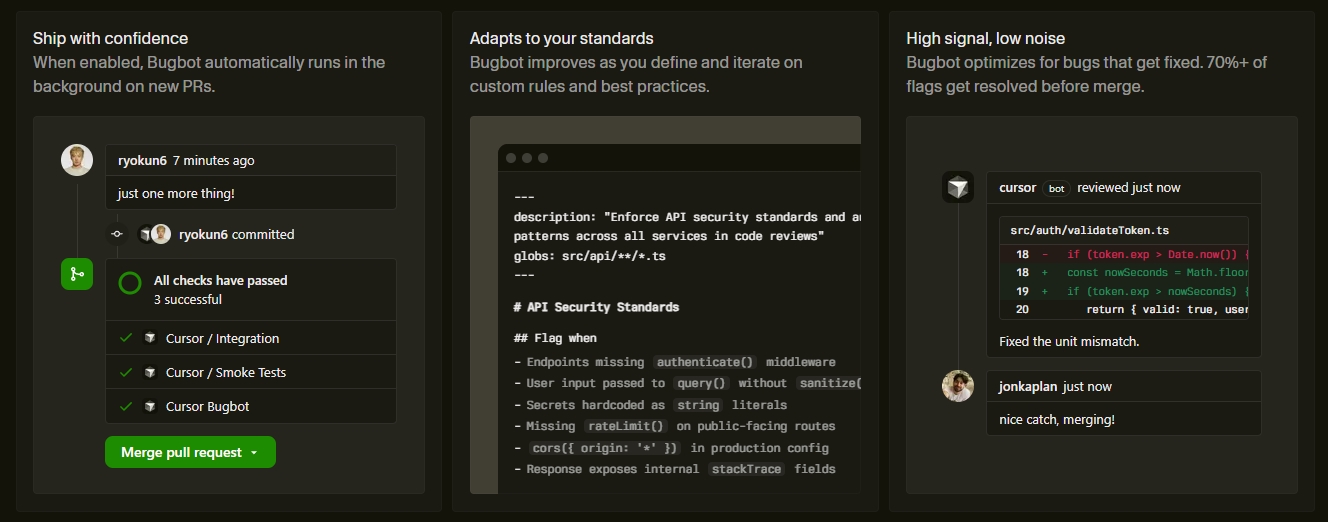
By automating the mundane, these agents allow engineers to dedicate their energy to complex problem-solving, innovation, and strategic architectural decisions. They become powerful allies in the pursuit of cleaner code, faster releases, and a more fulfilling development experience.
The boost in output and quality is tangible.
Streamlining Data Analysis and Workflow Automation
Cursor Agents revolutionize data analysis and workflow automation. They autonomously collect data from disparate sources, clean it, and even perform initial exploratory analysis. Imagine an agent that logs into multiple databases, extracts specific reports, merges them into a single file, and then generates key visualizations – all without human intervention.
These agents orchestrate entire AI workflow sequences, connecting various software tools and platforms. They ensure data consistency, reduce manual errors, and accelerate the journey from raw data to actionable insights. This capability is critical for businesses looking to make faster, data-driven decisions and reduce the burden of repetitive data handling.
Challenges and Limitations in Cursor Agent Development
Developing robust Cursor Agents presents unique challenges. The complexity of understanding diverse user interfaces, handling dynamic web elements, and adapting to software updates requires advanced AI techniques.
Ensuring agents accurately interpret human intent, especially in nuanced scenarios, remains a significant hurdle.
Furthermore, relying on external systems means agents are susceptible to changes in those systems, potentially breaking workflows. Data dependency and the need for high-quality training data are also crucial. Overcoming these limitations demands continuous innovation in AI research and engineering practices.
Ethical Considerations for AI-Powered Cursor Agents
As AI-powered Cursor Agents become more pervasive, addressing ethical considerations grows paramount. Issues of data privacy, security, and algorithmic bias require careful attention. Who is accountable when an autonomous agent makes a mistake or produces an undesirable outcome? Transparency in agent decision-making processes is essential for building trust.
We must ensure these powerful tools are developed and deployed responsibly, upholding principles of fairness, equity, and human oversight. Establishing clear guidelines for their use prevents misuse and ensures they augment, rather than undermine, human values and control.
The Future Landscape of Human-AI Collaboration
The future sees human-AI collaboration evolving into a seamless, highly productive partnership, with Cursor Agents at its core. We move beyond simple tool usage to a dynamic synergy where humans set strategic goals and agents intelligently execute complex operations. This partnership will amplify human creativity and analytical power.
Imagine a world where your digital assistant truly understands your evolving needs, anticipates your next move, and proactively completes tasks across all your applications. This vision promises unprecedented levels of personal and organizational efficiency, redefining what is possible when human ingenuity meets advanced AI autonomy.
Choosing the Right Cursor Agent for Your Needs
Selecting the ideal Cursor Agent requires careful consideration of your specific requirements. First, clearly define the automated tasks you need to accomplish. Consider the complexity of the workflows and the number of applications involved. Ask yourself:
- What specific problems do you need to solve?
- Which existing tools or platforms must the agent integrate with?
- How much customization do you need for your unique processes?
- What level of support and ongoing development does the provider offer?
Look for agents with strong adaptability and robust error handling. Evaluating scalability and security features also plays a crucial role in making an informed decision for your custom agents.
Implementing Cursor Agents in Your Workflow
Integrating Cursor Agents into your existing workflow requires a strategic approach. Start by identifying high-impact, repetitive tasks that consume significant time. Pilot the agent with a small, contained workflow to assess its performance and identify any integration challenges. Gradual rollout minimizes disruption and allows for iterative refinement.
Ensure your team understands how the agent functions and how to effectively collaborate with it. Proper training and clear communication foster adoption and maximize the benefits. Regularly review agent performance and make necessary adjustments to optimize its contribution to your overall AI workflow.
Measuring the Impact and ROI of Cursor Agents
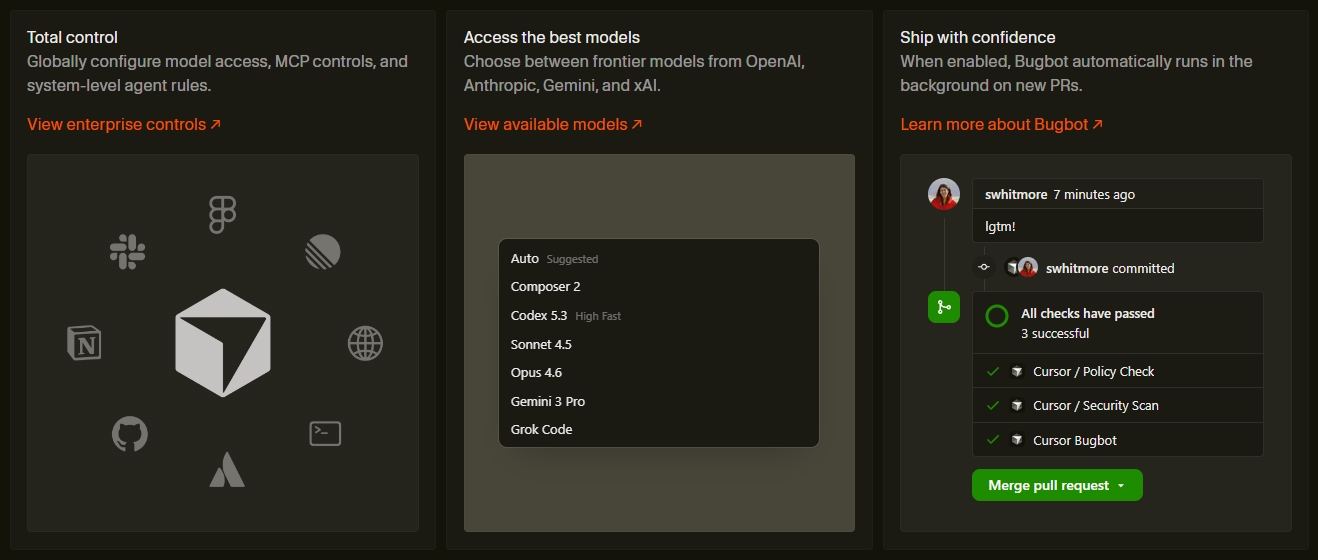
Demonstrating the value of Cursor Agents involves tracking key performance indicators (KPIs) and return on investment (ROI). Start by establishing baseline metrics before implementation. Quantify time saved on previously manual tasks, reductions in operational costs, and improvements in data accuracy or processing speed.
Consider:
- Reduced error rates
- Faster task completion times
- Increased throughput or volume of work processed
- Improved employee satisfaction due to reduced tedious work
- Cost savings from reallocating human resources
Regularly compare these metrics against your initial benchmarks to clearly illustrate the tangible benefits and justify your investment in AI agents.
Comparing Cursor Agents with Traditional AI Tools
Cursor Agents stand apart from traditional AI tools in several crucial ways. Traditional tools often operate as backend services, processing data or providing insights based on specific inputs. They typically lack the ability to directly interact with graphical user interfaces (GUIs) in a human-like manner. Think of a simple sentiment analysis API versus a full-fledged agent.
Cursor Agents, by contrast, possess environmental awareness and interface mimicry. They can navigate web browsers, click software buttons, and fill out forms, orchestrating entire AI workflow sequences across multiple applications. This direct interaction ability makes them uniquely powerful for automating tasks that span across various digital touchpoints, moving beyond mere data processing to active participation.
Expert Tips for Maximizing Cursor Agent Efficiency
To truly get the most out of your Cursor Agents, embrace a strategy of continuous optimization. First, define goals with crystal clarity; vague instructions lead to suboptimal outcomes. Regularly review agent performance and logs to identify bottlenecks or areas for improvement. Refine your agent’s training data and parameters as your needs evolve. This iterative process is key.
Furthermore, integrate agents intelligently with your existing systems, avoiding isolated silos. Encourage feedback from users who interact with the agents to uncover practical insights. Treat your custom agents as dynamic, evolving partners, not static tools, and you will unlock their full potential for sustained efficiency gains.
Frequently Asked Questions
What are Cursor Agents?
Cursor Agents represent the next generation of intelligent automation, acting as advanced intelligent assistants that observe, learn, and act autonomously within your digital workspace. They interpret your needs and execute sequences of actions, often mimicking human interaction with software and interfaces, going beyond simple commands to handle complex tasks.
How do Cursor Agents differ from traditional AI tools?
Traditional AI tools typically operate as backend services, processing data or providing insights without direct interaction with graphical user interfaces (GUIs). Cursor Agents, however, possess environmental awareness and interface mimicry, allowing them to navigate web browsers, click software buttons, and fill out forms, thereby orchestrating entire workflow sequences across multiple applications in a human-like manner.
What are the key features that define an effective Cursor Agent?
Effective Cursor Agents are characterized by contextual understanding, goal-oriented autonomy, interface mimicry (interacting like a human), continuous learning and adaptation, robust error handling, and high customization and personalization capabilities to tailor them to specific workflows and requirements.
In which industries can Cursor Agents be practically applied?
Cursor Agents offer transformative potential across various industries wherever digital workflows exist. They are invaluable in software development and debugging, content creation and management, finance, healthcare, and any sector looking to streamline operations, enhance data accuracy, and automate complex tasks.
What ethical considerations are important when deploying AI-powered Cursor Agents?
Key ethical considerations for AI-powered Cursor Agents include data privacy, security, and algorithmic bias. It is crucial to address accountability when autonomous agents make mistakes, ensure transparency in their decision-making processes, and establish clear guidelines to prevent misuse, upholding fairness, equity, and human oversight.