


- Understanding the Core Concept of Cursor Platforms
- Evolution of Input Devices Leading to Advanced Cursor Platforms
- Types of Cursor Platforms: From Traditional to Touchless
- Mouse and Trackpad-Based Systems
- Gesture Recognition and Eye-Tracking Cursor Platforms
- Key Technologies Powering Modern Cursor Platforms
- Sensor Fusion and Precision Tracking
- Haptic Feedback Integration
- Benefits of Implementing Next-Gen Cursor Platforms in Software
- Challenges and Limitations in Cursor Platform Development
- Cursor Platforms in Gaming: Enhancing User Immersion
- Accessibility Features and Cursor Platforms for Diverse Users
- The Role of AI and Machine Learning in Cursor Platform Innovation
- Future Trends: Predictive and Adaptive Cursor Platforms
- Cursor Platforms in Virtual and Augmented Reality Environments
- Interacting with Digital Objects in VR/AR
- Seamless Navigation in Immersive Experiences
- Security Considerations for Advanced Cursor Platforms
- Impact of Cursor Platforms on Productivity and Workflow
- Choosing the Right Cursor Platform for Your Application
- The Ecosystem of Cursor Platforms: Hardware and Software Synergy
- Frequently Asked Questions
Understanding the Core Concept of Cursor Platforms
At its heart, a Cursor Platform is the complete system enabling users to interact with a digital interface. It encompasses the input method, the tracking technology, and the software that translates physical movements or gestures into actionable commands on a screen. Imagine the invisible threads connecting your thought to the on-screen action; that’s the essence.
Essentially, a Cursor Platform is the engine that drives your digital navigation, making every click, tap, or glance meaningful and responsive.
These platforms ensure broad supported platforms, from desktops to mobile devices and beyond, ensuring consistent interaction logic. They are designed for ultimate compatibility, allowing a diverse range of hardware and software to communicate effectively.

Evolution of Input Devices Leading to Advanced Cursor Platforms
Our journey to sophisticated Cursor Platforms began with humble origins. Mechanical mice, trackballs, and early touchscreens laid the groundwork. Each innovation tackled challenges in precision and user comfort, paving the way for more natural interaction.
Consider the leap from a clunky serial mouse to today’s optical precision. This progression wasn’t just about speed; it was about enhancing the user’s connection with their device. As computing environments became more complex, the need for intuitive input grew. This evolution pushed developers to create more dynamic Cursor Platforms capable of seamless integrations across various operating systems, making complex tasks feel simpler and more direct.
“The journey of interaction design is a testament to our continuous quest for intuitive control. Every new input device has shaped how we perceive and manipulate the digital world.”
Types of Cursor Platforms: From Traditional to Touchless
The world of Cursor Platforms is incredibly diverse, stretching from the familiar click of a button to ethereal hand gestures. These systems vary widely based on their underlying technology and how they interpret user intent. We categorize them broadly by the interaction method they facilitate, offering different levels of immersion and control.
From the established methods that rely on physical contact to the groundbreaking innovations that allow touchless interaction, each type of Cursor Platform brings unique advantages. They cater to different user needs, device types, and application scenarios, constantly expanding the definition of what “interaction” truly means.
Mouse and Trackpad-Based Systems
The mouse and trackpad remain the quintessential examples of widely adopted Cursor Platforms. They provide direct, tactile control over the on-screen cursor. Users appreciate their precision and the familiar click-and-drag mechanics.
These systems boast incredible compatibility across virtually all major operating systems and are the backbone of desktop and laptop interactions. Modern mice offer advanced tracking, customizable buttons, and ergonomic designs, while trackpads integrate multi-touch gestures, transforming simple pointing into complex commands. Their reliability and ubiquity cement their status as essential supported platforms for countless applications.
Gesture Recognition and Eye-Tracking Cursor Platforms
Beyond physical contact, we find advanced Cursor Platforms that interpret more subtle human cues. Gesture recognition systems track hand movements, body posture, or even finger gestures, translating them into digital commands. This allows for touchless interaction, perfect for sterile environments or large displays.
Eye-tracking takes this a step further. Users simply look at an element on screen, and the system registers their gaze as a cursor movement. This offers unparalleled control for individuals with limited mobility and opens new avenues for highly intuitive interfaces.
Both technologies expand the definition of supported platforms, offering groundbreaking ways to engage with digital content.
Key Technologies Powering Modern Cursor Platforms
The seamless experience offered by today’s Cursor Platforms isn’t magic; it’s the result of cutting-edge technological advancements working in concert. These systems leverage sophisticated sensors, intelligent algorithms, and innovative feedback mechanisms to transform your movements and intentions into precise digital actions. Understanding these underlying technologies reveals the true genius behind fluid human-computer interaction.
From pinpoint accuracy to immersive tactile responses, modern Cursor Platforms are engineering marvels. They constantly evolve, integrating new scientific breakthroughs to push the boundaries of what’s possible in digital control.
Sensor Fusion and Precision Tracking
At the core of highly responsive Cursor Platforms lies sensor fusion. This technology combines data from multiple sensors—think accelerometers, gyroscopes, magnetometers, and optical sensors—to create a more accurate and stable understanding of input. Instead of relying on a single data stream, sensor fusion cross-references and verifies information, significantly reducing errors and latency.
Precision tracking algorithms then process this fused data, predicting movement, filtering out noise, and ensuring the on-screen cursor mirrors the user’s intent with extreme fidelity. This critical integration boosts the reliability and performance of Cursor Platforms, making them suitable for demanding applications across all supported platforms.
Haptic Feedback Integration
Haptic feedback adds another dimension to Cursor Platforms: the sense of touch. It provides physical sensations—vibrations, force feedback, or textures—that confirm digital actions. Imagine feeling a slight “click” when you drag an icon or a resistance when you hit a virtual wall. This sensory input enriches the user experience significantly.
By providing tactile cues, haptic integrations make interactions more intuitive and engaging. They reduce cognitive load and enhance realism, especially crucial in gaming or professional design. This technology improves the perceived responsiveness of Cursor Platforms and deepens user immersion across a wide range of devices and applications.
Benefits of Implementing Next-Gen Cursor Platforms in Software
Integrating advanced Cursor Platforms into software brings a cascade of advantages. Developers gain powerful tools to create more engaging and efficient user experiences. For end-users, it translates into unparalleled ease of use and deeper interaction.
These next-generation platforms broaden reach through enhanced compatibility and offer new ways for users to control applications. They improve accessibility, boost productivity, and unlock innovative features that simply weren’t possible with older input methods.
The investment in these sophisticated supported platforms pays dividends in user satisfaction and competitive edge.
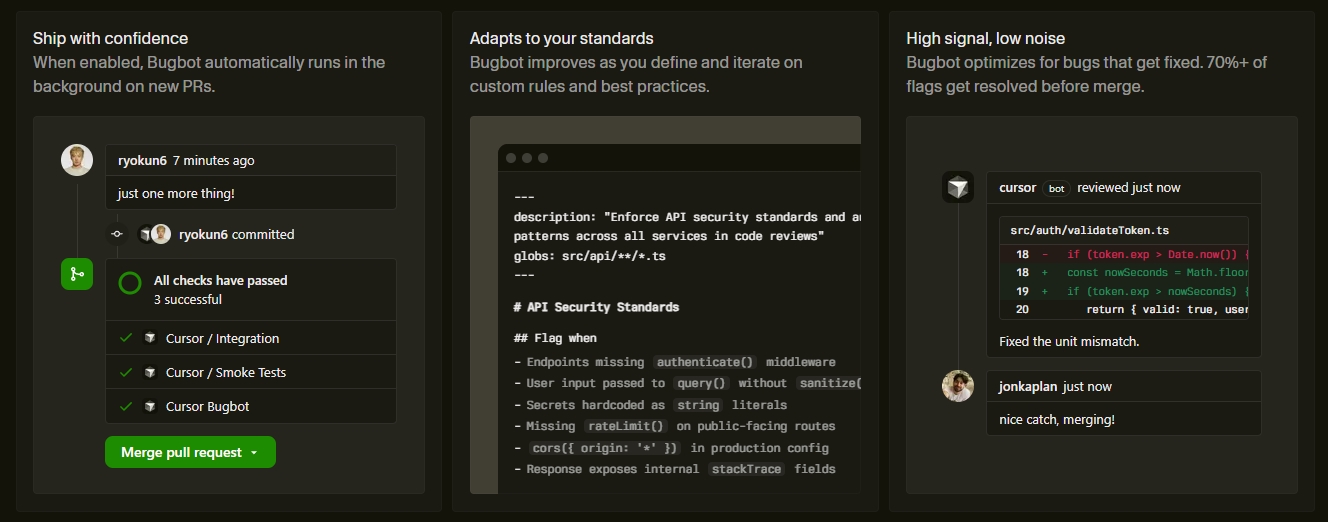
- Enhanced User Experience: More intuitive and natural interaction.
- Increased Accessibility: Broader range of input methods for diverse users.
- Greater Efficiency: Faster, more precise control leads to quicker task completion.
- Innovative Features: Enables entirely new ways to interact with software and data.
- Broader Compatibility: Seamless operation across various devices and operating systems.
Challenges and Limitations in Cursor Platform Development
Developing cutting-edge Cursor Platforms is not without its hurdles. Engineers and designers face complex technical and user experience challenges. Achieving perfect accuracy, minimizing latency, and ensuring broad compatibility across disparate hardware and operating systems requires significant effort and innovation.
One major limitation lies in standardization. The fragmented landscape of input devices and software interfaces can make universal adoption difficult. Power consumption, particularly for advanced tracking systems, also presents a development challenge.
Balancing sophisticated features with practical usability and cost-effectiveness remains a constant tightrope walk in the evolution of these essential interaction systems.
Cursor Platforms in Gaming: Enhancing User Immersion
Gaming thrives on immersion, and Cursor Platforms play a pivotal role in deepening that experience. Beyond simple point-and-click, advanced cursor systems unlock new levels of control and realism in virtual worlds. Imagine aiming with your eyes or casting spells with intricate hand gestures—these are the possibilities.
From precise aim in first-person shooters to intuitive inventory management in RPGs, the evolution of Cursor Platforms directly impacts gameplay mechanics. They offer superior responsiveness, making every action feel immediate and impactful. Enhanced compatibility with diverse gaming setups ensures a broad audience can enjoy these rich, interactive experiences, pulling players further into the heart of the game.
Accessibility Features and Cursor Platforms for Diverse Users
Cursor Platforms are instrumental in making technology accessible to everyone, regardless of physical ability. They provide essential tools that empower diverse users to interact with digital content effectively. This isn’t just about compliance; it’s about creating inclusive experiences for all.
Features like customizable cursor sizes, high-contrast options, and alternative input methods (such as voice control, head tracking, or specialized switches) enable individuals with motor impairments, visual challenges, or other needs to navigate supported platforms independently. By integrating these accessibility features, Cursor Platforms bridge the digital divide, ensuring technology truly serves the broadest possible audience.
The Role of AI and Machine Learning in Cursor Platform Innovation
Artificial Intelligence (AI) and Machine Learning (ML) are transforming Cursor Platforms, moving them from reactive tools to intelligent companions. These technologies enable platforms to learn from user behavior, predict intent, and adapt to individual preferences. Imagine a cursor that anticipates your next click or refines its tracking based on your unique hand movements.
AI algorithms process vast amounts of data from sensor inputs, recognizing patterns and making real-time adjustments for enhanced precision and efficiency. ML powers features like gesture prediction, adaptive sensitivity, and intelligent noise reduction. These sophisticated integrations lead to more intuitive and personalized interaction experiences, constantly refining how we control our digital world.
Future Trends: Predictive and Adaptive Cursor Platforms
The future of Cursor Platforms is undeniably intelligent. We are moving towards systems that don’t just react to your input but anticipate your needs. Predictive platforms will learn your habits, suggesting actions or pre-positioning the cursor where it thinks you’ll go next. This reduces effort and speeds up interactions significantly.
Adaptive Cursor Platforms will dynamically adjust their sensitivity and interaction modes based on context. For example, a system might switch to fine-grained control for graphic design and broad gestures for presentations. These intelligent systems promise a new era of effortless interaction, where the platform truly understands and supports your workflow.
Cursor Platforms in Virtual and Augmented Reality Environments
In the expansive landscapes of Virtual Reality (VR) and Augmented Reality (AR), Cursor Platforms are foundational. They are the invisible bridges that connect our physical presence to digital realms. Without robust cursor systems, navigating these immersive spaces or manipulating virtual objects would be frustrating and unintuitive. These platforms translate your real-world movements and gaze into actionable controls within a digital overlay or fully synthetic environment.
The challenges in VR/AR are unique, demanding three-dimensional precision and seamless integration with complex virtual physics. Cursor Platforms in these environments must handle depth, orientation, and often multi-user interactions, significantly expanding their role beyond traditional 2D interfaces. They define the very essence of how we reach out and touch the digital in these new realities across diverse operating systems and hardware.
Interacting with Digital Objects in VR/AR
In virtual and augmented reality, Cursor Platforms are paramount for manipulating digital objects. They transform a user’s hand gestures, controller movements, or even eye gaze into direct interaction with virtual elements. Imagine picking up a virtual tool, resizing a holographic image, or drawing in 3D space with natural motions.
These platforms rely on precise tracking and sophisticated integrations to create a sense of presence and tangibility. They allow users to select, move, and modify virtual items with an intuitive feel, breaking down the barrier between the physical and digital. Effective Cursor Platforms are the key to unlocking true interactivity within VR/AR experiences.
Seamless Navigation in Immersive Experiences
Navigating vast VR or AR environments requires more than just movement; it demands seamless control. Cursor Platforms provide the essential tools for smooth exploration. Whether “teleporting” to new locations, gliding through virtual landscapes, or scaling complex 3D models, the platform dictates the fluidity of the experience.
Optimal compatibility with various locomotion methods – from joystick controls to full-body tracking – ensures users can effortlessly traverse digital worlds. These cursor systems minimize disorientation and maximize user comfort, making immersive experiences enjoyable and accessible. They are the hidden guides leading you through every virtual path and augmented overlay.
Security Considerations for Advanced Cursor Platforms
As Cursor Platforms become more sophisticated, incorporating biometrics, advanced tracking, and constant user data analysis, security and privacy become critical. These platforms process sensitive information about user behavior, potentially revealing patterns of interaction, preferences, and even physical characteristics.
Developers must implement robust encryption for data transmission and storage, ensuring user data remains protected. Strict access controls and transparent data policies are essential to build trust. Securing these advanced Cursor Platforms means safeguarding not just the system, but the very privacy of how we interact with our digital lives.
Impact of Cursor Platforms on Productivity and Workflow
The efficiency of your Cursor Platform directly correlates with your daily productivity. A well-designed platform can dramatically streamline workflows, reducing friction and saving valuable time. Think of the difference between precise, multi-touch gestures versus repetitive clicks.
Next-gen Cursor Platforms enable faster navigation, quicker task switching, and more intuitive manipulation of data. They minimize repetitive strain and cognitive load, allowing users to focus more on creative output and less on wrestling with the interface. Across all operating systems and professional applications, an optimized Cursor Platform is a powerful ally in boosting overall efficiency and enhancing professional workflow.
Choosing the Right Cursor Platform for Your Application
Selecting the ideal Cursor Platform for your application is a strategic decision. It directly impacts user experience, development effort, and ultimate adoption. Consider your target audience, the nature of your application, and the desired level of immersion. A simple web app might thrive on traditional mouse input, while a complex 3D design tool demands gesture recognition or haptic feedback.
Evaluate the necessary precision, speed, and form factor. Assess supported platforms and ensure broad compatibility with target devices and existing user habits. The right choice empowers users and elevates your application, turning interaction into a genuine advantage.
| Application Type | Recommended Cursor Platform Features | Key Considerations |
|---|---|---|
| Graphic Design | Precision tracking, multi-touch, haptic feedback | High accuracy, fine motor control, pressure sensitivity |
| VR/AR Experience | Gesture recognition, eye-tracking, 3D tracking | Immersive interaction, spatial awareness, low latency |
| General Productivity | Ergonomic design, customizable buttons, gesture support | Comfort, efficiency across multiple operating systems |
| Accessibility Focus | Voice control, head tracking, customizable input size | Adaptability for diverse user needs, ease of integration |
The Ecosystem of Cursor Platforms: Hardware and Software Synergy
A truly effective Cursor Platform is never just hardware or just software; it is a meticulously crafted ecosystem where both elements work in perfect synergy. The most advanced sensors mean little without intelligent algorithms to interpret their data. Conversely, groundbreaking software features require precise hardware to translate user intent accurately.
This dynamic interplay ensures that every movement, every gesture, and every eye glance is flawlessly translated into a digital action. Robust integrations between physical components and the digital processing layer define the responsiveness, reliability, and overall user experience. Understanding this crucial relationship is key to appreciating the complexity and brilliance behind modern Cursor Platforms.
Frequently Asked Questions
What is the fundamental concept behind a Cursor Platform?
A Cursor Platform is the comprehensive system that enables users to interact with a digital interface. It includes input methods, tracking technology, and software that translates physical movements or gestures into on-screen commands, ensuring seamless engagement across various devices.
How have input devices evolved to create modern Cursor Platforms?
The evolution began with mechanical mice and trackballs, progressing through innovations like optical precision and multi-touch gestures. This journey aimed to enhance user connection and intuitiveness, leading to dynamic platforms capable of seamless integrations across diverse operating systems.
What are some examples of advanced, non-traditional Cursor Platforms?
Beyond traditional mice and trackpads, advanced platforms include gesture recognition systems that interpret hand or body movements, and eye-tracking systems that register a user’s gaze as cursor movement. These enable touchless interaction and provide control for individuals with limited mobility.
How do AI and Machine Learning contribute to Cursor Platform innovation?
AI and ML transform Cursor Platforms by allowing them to learn user behavior, predict intent, and adapt to individual preferences. They power features like gesture prediction, adaptive sensitivity, and intelligent noise reduction, creating more intuitive and personalized interaction experiences.
Why are Cursor Platforms especially important in Virtual and Augmented Reality environments?
In VR/AR, Cursor Platforms are foundational as they bridge physical presence with digital realms, translating real-world movements and gaze into actionable controls. They are crucial for manipulating 3D objects, navigating immersive spaces, and ensuring seamless, intuitive interaction within these complex environments.