


Step into the dynamic world of Cursor China, where innovation reshapes how we interact with digital landscapes. The Asia market buzzes with unprecedented technological advancements, making China a global powerhouse for input device evolution. We explore the profound impact of these innovations, understanding their influence on Chinese users and the broader digital sphere. From groundbreaking hardware to intuitive software, Cursor China stands at the forefront of digital interaction, setting trends and defining future possibilities. Join us on a journey to discover the cutting-edge developments that power the regional presence and global influence of China’s digital revolution.
- The Evolution of Input Devices in China
- From Mouse to Multi-Touch Interfaces
- Historical Impact of Traditional Peripherals
- Understanding the Chinese Digital User Experience
- Cultural Nuances in UI/UX Design
- Key Players in China’s Cursor Technology Market
- Innovations in Touch and Gesture Control
- Advanced Sensor Technologies
- Gaming and High-Performance Cursor Devices
- The Role of AI in Cursor China’s Development
- Ergonomics and User Health in Chinese Tech Design
- Manufacturing Hub: Production of Cursor Components
- Software Design and Interface Trends in China
- Global Influence of Chinese Cursor Innovations
- Regulatory Landscape for Digital Technologies in China
- Future Trends for Cursor Technology in China
- Predictions for Next-Gen Cursor Solutions
- E-commerce and the Chinese Peripheral Market
- Accessibility Features in Chinese Digital Tools
- Bridging East and West: Cursor Standards and Preferences
- Frequently Asked Questions
The Evolution of Input Devices in China
The journey of digital interaction in China presents a fascinating narrative. Early adoption of personal computing brought traditional input methods to Chinese users, laying the groundwork for what we see today. However, the rapid pace of technological development and unique user preferences quickly propelled Cursor China beyond conventional boundaries. This evolution reflects not just technological progress but also a deep understanding of how Chinese users engage with their digital environments. It’s a story of constant adaptation, driven by both global trends and distinct regional demands.
From Mouse to Multi-Touch Interfaces
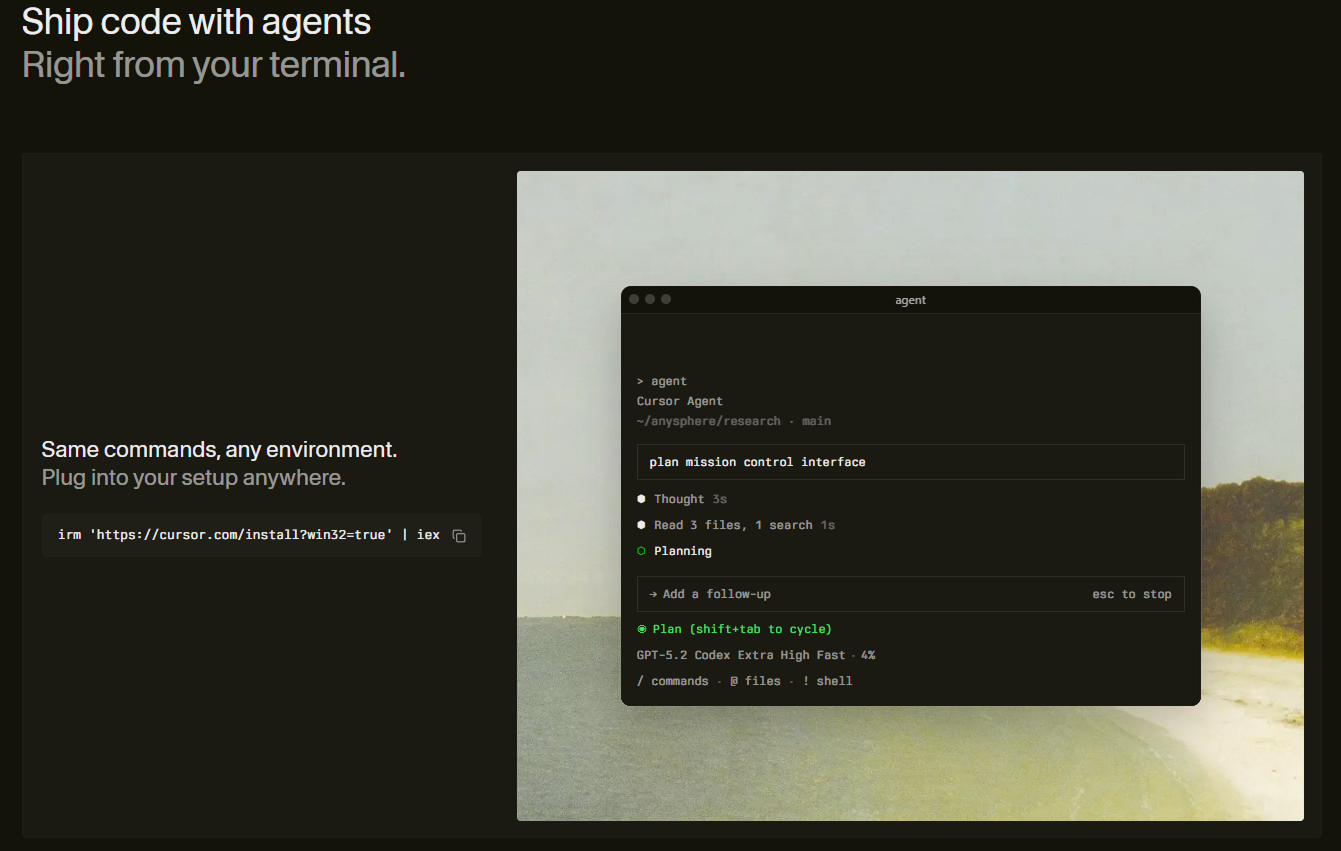
China’s digital landscape has dramatically transformed, moving past the singular point-and-click era. Traditional mice dominated early computer interactions, but the rapid rise of mobile technology redefined user expectations. Chinese users quickly embraced the intuitive nature of multi-touch interfaces, driven by smartphones and tablets. This shift fundamentally altered the design philosophy for Cursor China, favoring direct manipulation over indirect control. Today, touchscreens are ubiquitous, demanding precise and responsive interaction methods that go far beyond a simple cursor movement.
Historical Impact of Traditional Peripherals
Before the touch revolution, traditional peripherals played a crucial role in establishing digital literacy across China. Keyboards and mice were gateways to computing for millions of Chinese users, shaping early navigation habits and software development. These devices, while seemingly simple, introduced fundamental concepts of graphical user interfaces and direct input. Their widespread adoption built the foundation upon which more advanced Cursor China technologies would later emerge, establishing a common language for human-computer interaction in the regional presence.
Understanding the Chinese Digital User Experience
Navigating the digital world in China offers a distinct experience, shaped by unique user behaviors and expectations. Chinese users often prioritize speed, efficiency, and a rich visual aesthetic in their digital interactions. This influences everything from app design to the functionality of input devices.
Understanding these nuances is critical for any company operating in the Asia market, especially when developing or marketing cursor technologies.
The demand for seamless, integrated experiences drives innovation within Cursor China, ensuring products resonate deeply with the local population.
Cultural Nuances in UI/UX Design
UI/UX design in China goes far beyond mere translation; it deeply embeds cultural preferences and communication styles. Chinese users often prefer rich, information-dense interfaces, quite different from the minimalist trends seen elsewhere. Super apps, for example, consolidate multiple functionalities, requiring thoughtful navigation and a robust Cursor China approach. Visual elements, color schemes, and even the placement of information are carefully considered to align with cultural aesthetics and reading habits, creating a more intuitive and engaging experience for the regional presence.
Key Players in China’s Cursor Technology Market
The Cursor China market is a vibrant ecosystem featuring both established global giants and agile domestic innovators. These key players drive fierce competition and rapid technological advancement, cementing China’s position in the Asia market. From component manufacturers supplying the world to brands designing revolutionary end-user devices, their China operations are critical. They continually push boundaries in precision, ergonomics, and intelligent interaction, shaping the future of how Chinese users and global consumers alike engage with digital platforms.
Innovations in Touch and Gesture Control
Touch and gesture control represent a dynamic frontier in Cursor China’s technological advancement. Beyond simple taps and swipes, Chinese users now command devices through sophisticated motions, offering intuitive and engaging interactions. This innovation is not confined to mobile screens; it extends to large format displays, automotive interfaces, and even augmented reality experiences. Companies in the Asia market actively invest in research and development, constantly refining these methods to offer seamless, natural control that enhances the digital experience for the regional presence.
Advanced Sensor Technologies
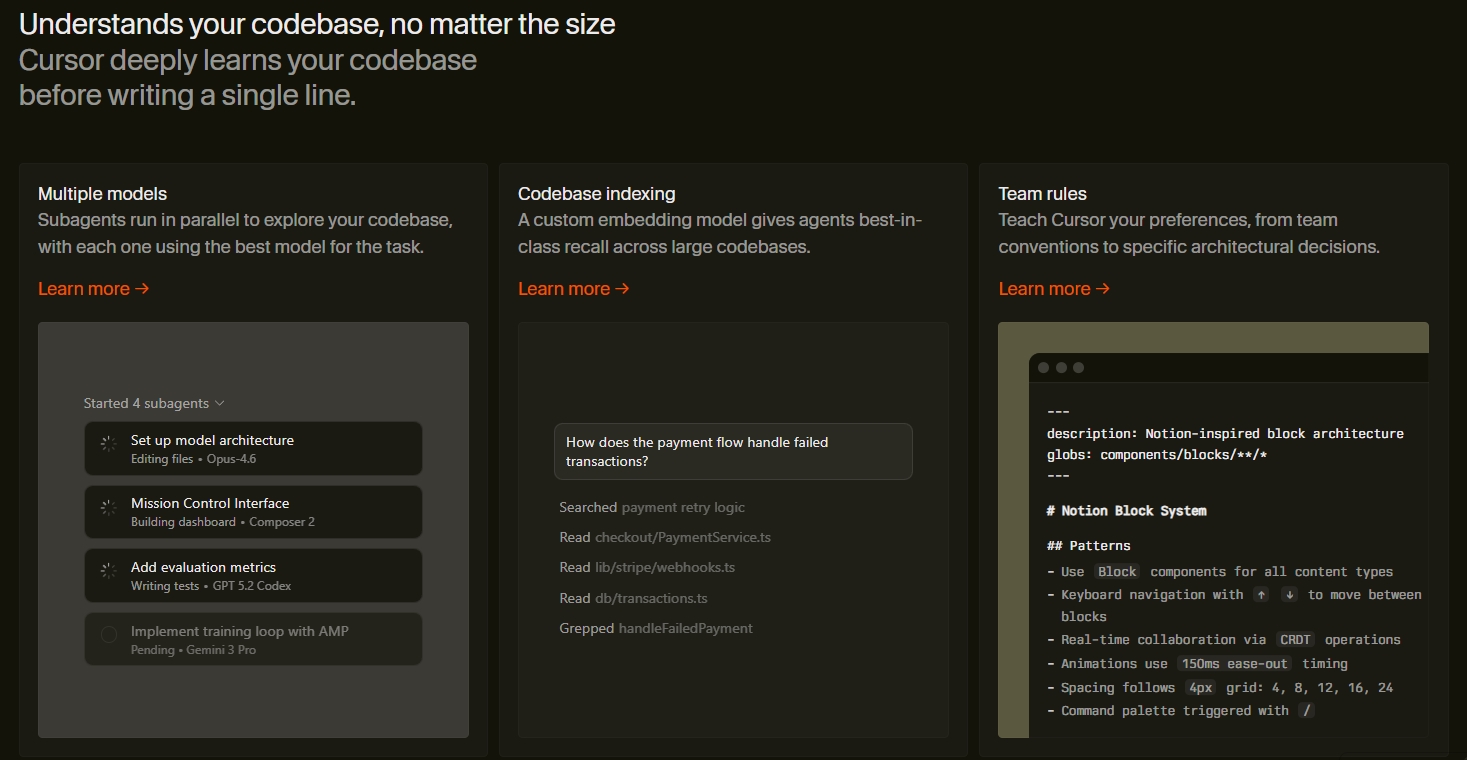
The magic behind cutting-edge touch and gesture control in Cursor China lies in sophisticated sensor technologies. High-resolution optical sensors, advanced haptics, and intricate motion tracking systems now define precision. These sensors capture subtle movements, pressure variations, and even biometric data, translating them into seamless digital commands for Chinese users. Developments in these underlying technologies are crucial, enabling more natural and responsive interactions that push the boundaries of what a “cursor” can be.
Gaming and High-Performance Cursor Devices
Gaming fuels a significant segment of the Cursor China market, demanding extreme precision, speed, and durability from input devices. Competitive gaming culture thrives among Chinese users, driving a strong market for specialized mice, keyboards, and other peripherals designed for peak performance. Manufacturers engage in intense innovation, integrating customizable buttons, adjustable weights, high DPI sensors, and low-latency connectivity. These high-performance devices aren’t just tools; they are essential components for success in the demanding world of professional and casual gaming across the Asia market.
The Role of AI in Cursor China’s Development
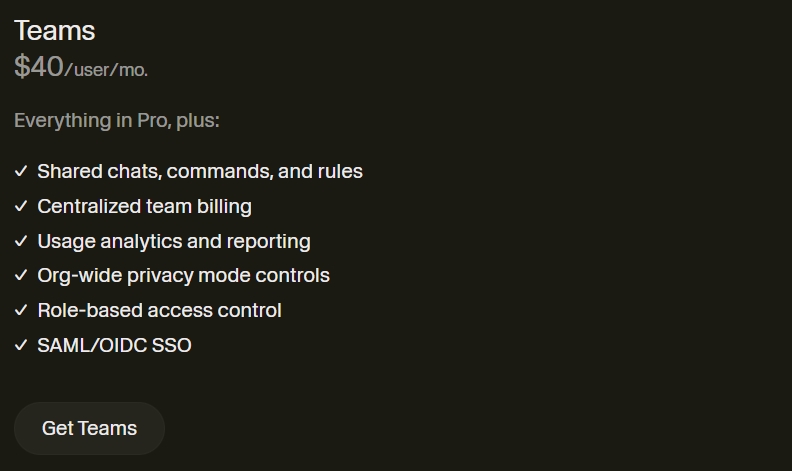
Artificial Intelligence fundamentally reshapes the landscape of digital interaction within Cursor China. AI-powered algorithms enhance cursor prediction, adapt to individual user habits, and even anticipate commands, creating a more fluid and personalized experience. For instance, AI optimizes touch sensitivity and gesture recognition, reducing errors and increasing efficiency for Chinese users. This integration transforms passive input devices into intelligent partners, driving significant advancements in China operations and pushing the boundaries of human-computer interaction across the Asia market.
Ergonomics and User Health in Chinese Tech Design
User health and ergonomic considerations are paramount in modern Chinese tech design, particularly for Cursor China products. With increasing screen time, preventing repetitive strain injuries and promoting comfort for Chinese users has become a key focus. Manufacturers in the regional presence prioritize adjustable designs, natural hand positions, and wrist support in their input devices.
This commitment extends beyond physical design to software interfaces, which now incorporate features like eye-tracking and break reminders to encourage healthier digital habits.
Manufacturing Hub: Production of Cursor Components
China’s unparalleled manufacturing capabilities make it the indispensable global hub for cursor components. From intricate micro-switches and optical sensors to precision-molded plastics, the supply chain for Cursor China is robust and highly efficient. This extensive network supports not only domestic brands but also numerous international tech giants with their China operations.
The sheer scale and expertise in production ensure competitive pricing, rapid iteration, and high-quality output, solidifying China’s central role in the Asia market’s peripheral technology landscape.
Software Design and Interface Trends in China
Software design in China showcases unique trends, heavily influenced by mobile-first approaches and the prevalence of super apps. Interfaces are often feature-rich, combining multiple services within a single platform, impacting how Chinese users interact. Personalization, gamification, and social integration are key drivers. Cursor China innovations extend to how these complex interfaces are navigated, with a strong emphasis on intuitive gestures, voice commands, and predictive text, all designed to enhance the regional presence’s digital experience.
Global Influence of Chinese Cursor Innovations
Innovations stemming from Cursor China reverberate globally, setting new benchmarks for digital interaction worldwide. What begins as a local solution for Chinese users often finds its way into international markets, influencing product design and user expectations across the globe. From advanced haptic feedback systems to sophisticated gesture controls, China operations are at the forefront. The country’s rapid development in AI, manufacturing, and user-centric design positions the Asia market as a critical trendsetter in peripheral technology, pushing forward the entire industry.
Regulatory Landscape for Digital Technologies in China
The regulatory environment profoundly shapes the development and deployment of digital technologies in Cursor China. Government policies impact data security, privacy, and content moderation, influencing how hardware and software interfaces are designed. Companies engaging in China operations must navigate these complex rules, ensuring compliance while fostering innovation. Understanding this landscape is crucial for delivering solutions that meet both market demands and regulatory requirements, particularly when addressing the unique needs and concerns of Chinese users within the regional presence.
Future Trends for Cursor Technology in China
The future of Cursor China is vibrant and brimming with potential, constantly pushing the boundaries of how we interact with technology. Expect further integration of AI, leading to even more intuitive and predictive input methods for Chinese users. Wearable technology will likely play an increasing role, moving interaction beyond traditional screens. The focus remains on seamless, natural experiences that blend the physical and digital, enhancing productivity and entertainment across the entire Asia market. Innovation shows no signs of slowing down.
Predictions for Next-Gen Cursor Solutions
Next-gen Cursor China solutions will likely move beyond physical contact. Imagine brain-computer interfaces (BCI) gaining traction, allowing direct thought control. Augmented and virtual reality will demand advanced eye-tracking and air-gesture controls, making physical cursors obsolete in certain contexts for Chinese users. Haptic feedback will become more nuanced, offering tactile sensations for virtual objects. These innovations aim to create an almost invisible interface, where interaction feels as natural as thought, revolutionizing the regional presence’s digital engagement.
E-commerce and the Chinese Peripheral Market
E-commerce platforms are the undisputed backbone of the Chinese peripheral market, driving sales and distribution for Cursor China products. Giants like JD.com and Tmall offer an expansive reach, connecting countless Chinese users with a vast array of input devices. These platforms facilitate rapid market entry for new products and foster intense competition, often leading to innovative pricing strategies and exclusive bundles. Their robust logistics and extensive user reviews significantly influence purchasing decisions across the entire Asia market, shaping consumer trends.
Accessibility Features in Chinese Digital Tools
Accessibility is a growing priority in Chinese digital tool design, ensuring Cursor China innovations serve all Chinese users. Developers actively integrate features catering to individuals with diverse needs, reflecting a commitment to inclusive technology. This includes enhanced screen readers, voice command functionalities, and customizable input sensitivity for those with motor impairments. The focus on accessibility aims to bridge digital divides, allowing a broader spectrum of the regional presence to fully engage with and benefit from technological advancements.
Bridging East and West: Cursor Standards and Preferences
The digital world often presents a fascinating divergence between East and West, and Cursor China is no exception. While universal design principles exist, preferences for input methods, interface aesthetics, and interaction models vary significantly. Western users might prefer minimalist interfaces and indirect control, whereas Chinese users often favor rich, feature-dense displays and direct, intuitive gestures. Understanding these distinctions is crucial for global companies in their China operations, informing product localization and ensuring devices resonate with the specific cultural and digital habits of the Asia market.
Frequently Asked Questions
What defines the evolution of input devices in China?
China’s digital interaction has evolved from traditional mouse-and-keyboard usage to widespread adoption of multi-touch interfaces, driven by mobile technology and unique user preferences for direct manipulation. This shift reflects rapid technological development and a deep understanding of how Chinese users engage with digital environments.
How do cultural nuances influence UI/UX design in China?
UI/UX design in China deeply embeds cultural preferences and communication styles, often favoring rich, information-dense interfaces and “super apps” that consolidate multiple functionalities. Visual elements, color schemes, and information placement are carefully considered to align with cultural aesthetics and reading habits.
What role does AI play in Cursor China’s development?
Artificial Intelligence fundamentally reshapes digital interaction in Cursor China by enhancing cursor prediction, adapting to individual user habits, and anticipating commands, creating a more fluid and personalized experience. AI optimizes touch sensitivity and gesture recognition, reducing errors and increasing efficiency.
Why is China considered a global manufacturing hub for cursor components?
China’s unparalleled manufacturing capabilities make it an indispensable global hub for cursor components. Its robust and efficient supply chain, from micro-switches to precision-molded plastics, supports domestic and international brands, ensuring competitive pricing, rapid iteration, and high-quality output.
What are the future trends for cursor technology in China?
Future trends for Cursor China include further AI integration for intuitive input, an increasing role for wearable technology, and next-gen solutions like brain-computer interfaces (BCI), advanced eye-tracking, air-gesture controls, and nuanced haptic feedback, aiming for seamless and natural digital engagement.