


Welcome to the digital frontier, where precision meets possibility! In the dynamic landscape of the British market, understanding every interaction point is crucial. We’re here to talk about the unsung hero of digital navigation: the cursor. For British users, the effectiveness of their digital tools directly impacts daily life, from online shopping to professional pursuits. Cursor technology isn’t just a static pointer; it’s the gateway to seamless engagement.
At the core of efficient UK operations lies an intuitive digital experience. Our focus on Cursor United Kingdom highlights how this fundamental element empowers individuals and businesses across the nation. Join us as we explore how optimizing this tiny but mighty component unlocks vast digital potential, ensuring every click, tap, and scroll drives progress within the regional presence.
- Understanding Cursor Technology in the Modern Era
- What Defines a Digital Cursor?
- Diverse Types of Cursor Interfaces
- The Evolution of Cursor Interaction and Its Impact
- Key Features and Benefits for UK Users
- Enhancing Navigation and User Flow
- Boosting Productivity Across Platforms
- Cursor Applications Across Various UK Industries
- How Cursor Technology Improves User Experience
- Choosing the Right Cursor Solution for Your Needs
- Cursor and Accessibility: Bridging the Digital Divide in the United Kingdom
- The Pivotal Role of Cursor in Web Design and Development
- Optimizing Cursor Performance for UK Audiences
- Future Trends: What’s Next for Cursor Innovation?
- Case Studies: Successful Cursor Implementations in the United Kingdom
- Impact on E-commerce Platforms
- Advancements in Educational Technology
- Security Considerations for Cursor Technology
- Integrating Cursor with Other Digital Tools
- Frequently Asked Questions About Cursor in the UK
- The Broader Impact of Cursor on Digital Interaction
- Frequently Asked Questions
Understanding Cursor Technology in the Modern Era
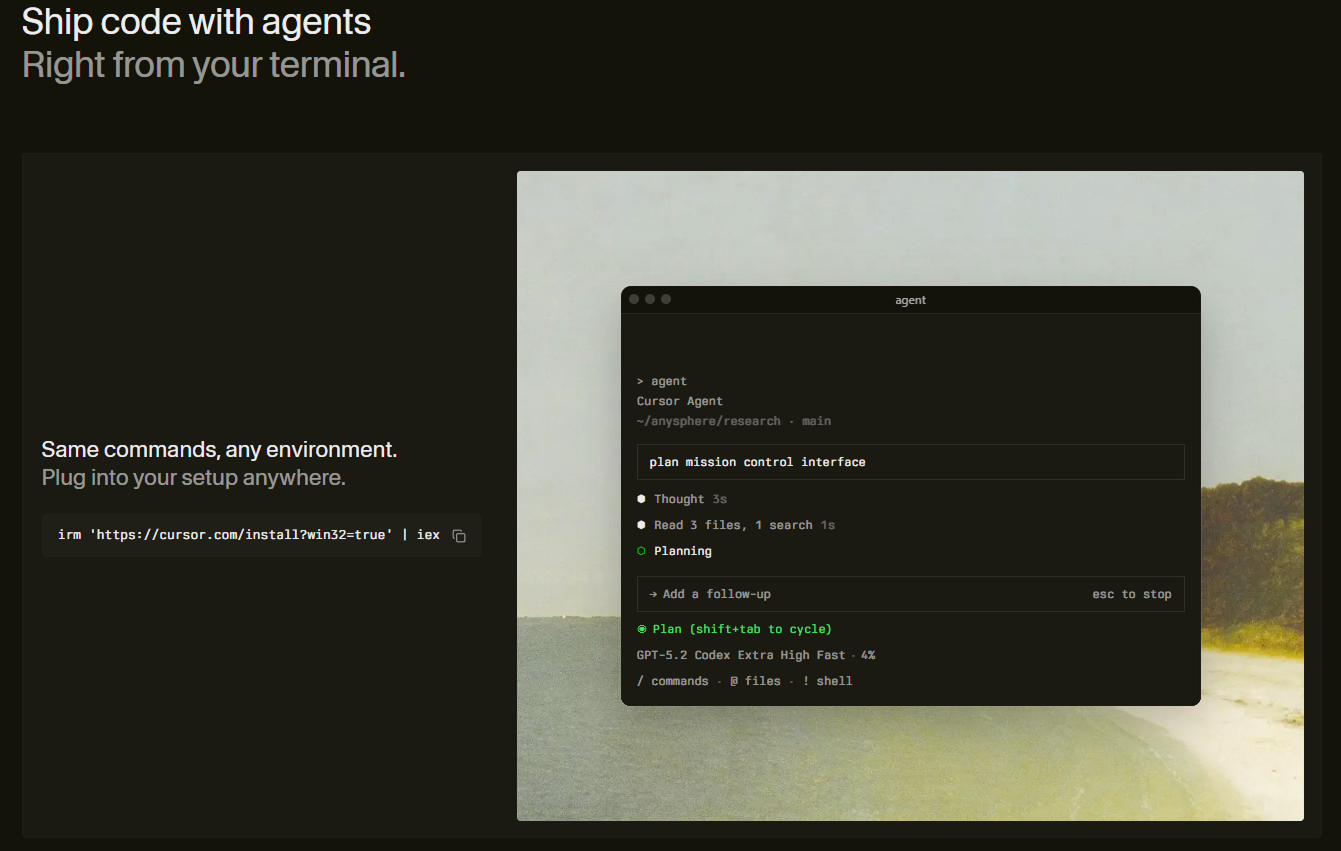
Cursor technology forms the fundamental bridge between you and your digital world. It is the visual representation of your input, translating your intentions into actionable commands on screen. Think beyond the simple arrow; modern cursor technology encompasses a sophisticated interplay of hardware and software, dictating how you select, interact, and navigate through complex interfaces.
This evolving technology drives efficiency and intuitiveness across every device in the British market. From touchscreens to trackpads, the underlying principles of cursor interaction define how effectively users engage with digital content. It dictates the responsiveness, accuracy, and overall fluidity of your digital journey, making it a cornerstone of contemporary computing and interaction within Cursor United Kingdom.
What Defines a Digital Cursor?
A digital cursor is essentially a graphic indicator on a display screen that shows the user’s current interaction point. It acts as the visual focal point for input devices like a mouse, trackpad, or stylus. Its primary role is to communicate where your next action will occur, whether typing text, selecting an item, or initiating a command.
Key characteristics define its utility for British users:
- Visibility: Cursors must be clear and distinct against various backgrounds.
- Responsiveness: They reflect user input immediately, creating a direct connection.
- Adaptability: Cursors change appearance based on context, indicating available actions (e.g., text entry, resizing, grabbing).
- Precision: They enable accurate targeting of specific elements on a screen, crucial for detailed work in Cursor United Kingdom.
Diverse Types of Cursor Interfaces
The concept of a cursor extends far beyond the traditional desktop pointer. Modern digital environments in the British market leverage various cursor interfaces, each designed for specific interaction methods and user needs. Understanding these diverse types reveals the true flexibility of cursor technology.
Consider these examples influencing regional presence:
- Pointer Cursor: The classic arrow, familiar on desktops and laptops for mouse or trackpad input.
- Text Cursor (I-beam): A vertical bar indicating where text will appear during typing.
- Hand Cursor: Often signifies a clickable link or interactive element on websites and applications.
- Touch Cursor: A circle or dot that appears momentarily on touchscreens to indicate a tap point.
- Stylus Cursor: A precise dot or crosshair, offering fine control for digital art or detailed design work.
- Spatial Cursor: Used in virtual or augmented reality, where interaction happens in a 3D space.
Each type optimizes the user experience for its respective input method, ensuring seamless interaction across the myriad of devices British users engage with daily.
The Evolution of Cursor Interaction and Its Impact
The journey of cursor interaction reflects the broader history of computing itself. We moved from simple command-line interfaces, where typing was the sole method of input, to graphical user interfaces (GUIs) made intuitive by the mouse cursor. This shift revolutionized how British users, and the world, engaged with computers.
Early cursors were rudimentary, but their introduction meant users could “point and click” directly at on-screen elements. This vastly reduced the cognitive load, making technology accessible to a much wider audience. It democratized computing, turning complex operations into visually guided actions. The continuous refinement of cursor responsiveness, visual cues, and input methods has consistently pushed the boundaries of user-friendliness, fostering a more natural and direct dialogue between humans and machines. This evolution underpins every digital interaction today, shaping expectations for all forms of Cursor United Kingdom engagement.
Key Features and Benefits for UK Users
Cursor technology offers tangible benefits that directly enhance the digital lives of British users. It’s more than just a navigational tool; it’s an enabler of efficiency and clarity. For UK operations, optimized cursor functionality translates into smoother workflows and reduced frustration, impacting everything from professional tasks to personal leisure.
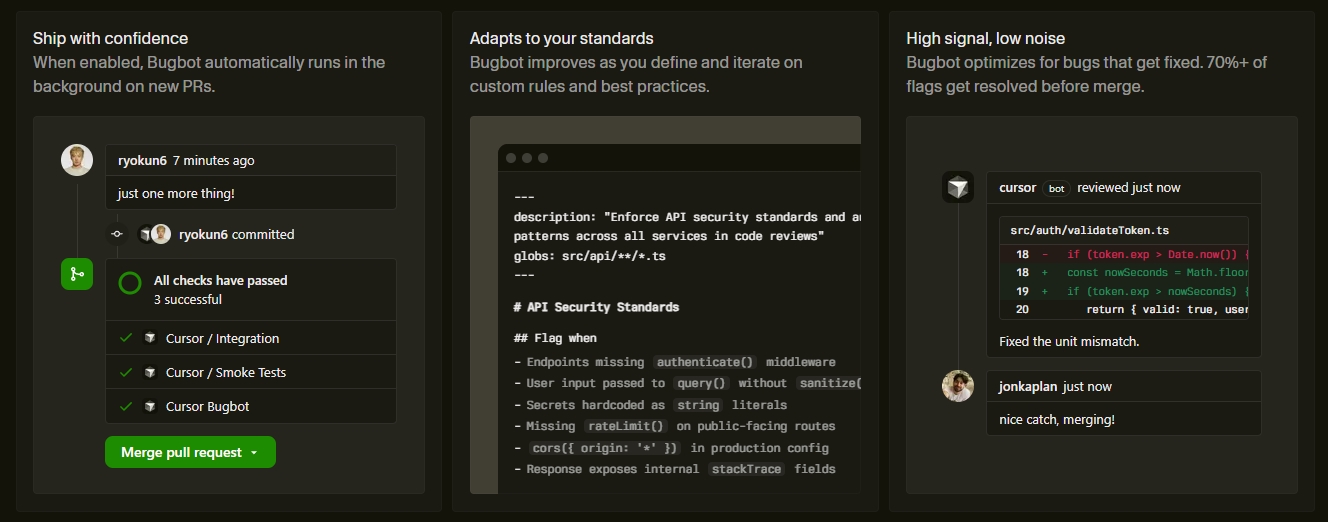
The cursor isn’t just a point; it’s your personal guide through the digital landscape, ensuring every interaction in the British market is both effortless and precise.
A well-implemented cursor system provides:
- Enhanced Precision: Execute tasks with pinpoint accuracy, vital for detailed design work or data entry.
- Intuitive Feedback: Cursors change shape to indicate available actions, guiding users without explicit instructions.
- Faster Task Completion: Efficient pointing and clicking reduce the time spent on basic navigation.
- Improved Accessibility: Customizable cursor options cater to diverse needs, making digital spaces more inclusive.
These features collectively contribute to a more satisfying and productive experience across the entire British market, solidifying the importance of Cursor United Kingdom in everyday digital life.
Enhancing Navigation and User Flow
A thoughtfully designed cursor fundamentally streamlines how British users move through digital environments. It acts as a continuous visual anchor, telling you exactly where you are and what you can do next. This clear guidance minimizes guesswork and reduces the cognitive load during navigation.
Consider these aspects of enhanced user flow:
- Contextual Cues: Cursors dynamically change, providing instant visual feedback on interactive elements, whether a button, a link, or a draggable object.
- Reduced Searching: Users spend less time hunting for the correct input area or interactive zone because the cursor highlights potential actions.
- Seamless Transitions: Smooth cursor movement contributes to a fluid experience, preventing jerky or disorienting jumps between elements.
This seamless interaction path directly contributes to a more intuitive and enjoyable experience for all British users engaging with Cursor United Kingdom platforms.
Boosting Productivity Across Platforms
Optimized cursor interaction plays a silent yet significant role in boosting productivity across every digital platform used in the British market. When your cursor responds precisely and predictably, you complete tasks faster, with fewer errors and less mental effort. This applies universally, from office applications to creative software.
How does it elevate your output?
- Faster Selection: Quickly highlight text, select multiple items, or choose specific tools.
- Efficient Data Entry: Precisely position the text cursor for quick edits and additions.
- Reduced Frustration: Fewer misclicks mean less time spent correcting mistakes, allowing British users to focus on the task at hand.
- Streamlined Workflow: Consistent cursor behavior across different applications fosters muscle memory and intuitive operation, speeding up complex tasks within UK operations.
Ultimately, a responsive and intelligent cursor becomes an indispensable partner in achieving peak efficiency.
Cursor Applications Across Various UK Industries
The versatility of cursor technology extends far into the specialized needs of various British industries. It’s not just for general computing; tailored cursor applications drive efficiency and innovation across sectors, demonstrating the profound regional presence of Cursor United Kingdom.
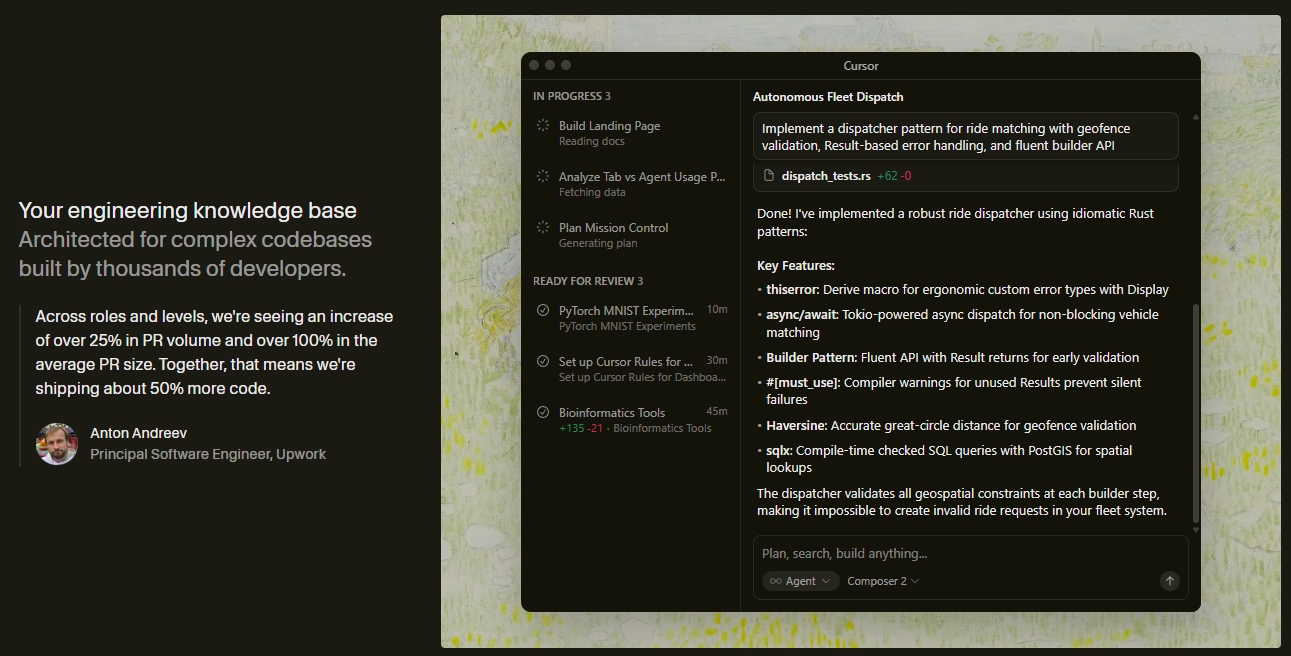
Diverse industries leverage cursor interaction:
- Healthcare: Doctors and nurses use specialized cursors for precise input on medical records systems, diagnostic imaging, and telemedicine platforms.
- Design & Architecture: Architects and graphic designers rely on high-precision cursors for CAD software and creative suites, enabling intricate detailing and accurate scaling.
- Finance: Traders and analysts navigate complex dashboards with speed and accuracy, using cursors to execute trades and analyze market data in real-time.
- Education: Interactive whiteboards and e-learning platforms in the British market use touch-based cursors to facilitate collaborative learning and engage students.
- Manufacturing: Operators interact with machinery control panels via robust, sometimes touch-based, cursors, monitoring processes and making adjustments.
Each application demonstrates how cursor technology adapts to meet specific operational demands, proving its essential role in UK operations.
How Cursor Technology Improves User Experience
Cursor technology is a silent architect of positive user experience (UX). It directly influences how effortlessly and enjoyably British users interact with digital interfaces. A well-designed cursor provides immediate, intuitive feedback, making digital navigation feel natural and less taxing. It minimizes friction and boosts confidence.
Here’s how it elevates UX:
| UX Aspect | Cursor Contribution |
|---|---|
| Clarity | Always shows the current interaction point, preventing confusion. |
| Control | Offers precise manipulation of elements, giving users a sense of mastery. |
| Feedback | Changes appearance to signal different states (e.g., loading, draggable, clickable). |
| Efficiency | Reduces steps for common actions, making interactions quicker. |
This seamless connection between user intent and on-screen action is paramount. It transforms potential frustration into satisfaction, making every digital journey for Cursor United Kingdom users smoother and more productive.
Choosing the Right Cursor Solution for Your Needs
Selecting the optimal cursor solution directly impacts efficiency and user satisfaction for any digital platform in the British market. It’s not a one-size-fits-all decision. Your choice depends heavily on the specific application, target audience, and primary input method. Matching the cursor to the task is key to unlocking its full potential.
Consider these factors when making your choice:
- Input Device: Are users primarily using a mouse, trackpad, touchscreen, or stylus? Each demands a different cursor interaction model.
- Application Type: A precision-intensive CAD program needs a different cursor than a content-browsing website.
- Accessibility Requirements: Does your solution need larger cursors, high contrast options, or alternative input methods for diverse British users?
- Aesthetic and Branding: Does the cursor align with your brand identity and overall user interface design? Custom cursors can enhance recognition.
Evaluate these elements to ensure your Cursor United Kingdom solution truly serves its purpose, providing an intuitive and effective experience.
Cursor and Accessibility: Bridging the Digital Divide in the United Kingdom
Cursor technology plays a critical, often underestimated, role in digital accessibility, specifically in bridging the digital divide for British users. An inclusive approach to cursor design ensures that everyone, regardless of physical ability, can effectively interact with digital content and services. It’s about empowering every individual within the regional presence.
Key accessibility features related to cursors:
- Size Customization: Users can enlarge cursors, making them easier to see for those with visual impairments.
- Color and Contrast Options: High-contrast cursors improve visibility against varying backgrounds, crucial for different light conditions or visual needs.
- Tracking Speed Adjustments: Slower speeds benefit users with limited motor control, allowing for more deliberate and accurate movements.
- Alternative Input Integration: Cursors that respond to eye-tracking, head movements, or switch controls open up digital worlds for users who cannot use traditional pointing devices.
By prioritizing these elements, Cursor United Kingdom efforts ensure that technology remains a tool for empowerment, not exclusion, for all British users.
The Pivotal Role of Cursor in Web Design and Development
In the intricate world of web design and development for the British market, the cursor transcends its basic function; it becomes a fundamental element guiding user perception and interaction. Designers leverage cursor behavior to communicate interactivity, state, and brand personality. It’s an often-overlooked micro-interaction that profoundly impacts user experience.
The cursor’s pivotal role includes:
- Visual Feedback: A default arrow changing to a “hand” on a link or an “I-beam” on a text field immediately signals user interaction possibilities.
- Brand Expression: Custom cursors, when used judiciously, can reinforce a website’s unique brand identity and delight users.
- User Guidance: For complex web applications, specific cursor types can guide users through multi-step processes or highlight draggable elements.
- Performance Indicator: A spinning or loading cursor informs the user that a process is underway, managing expectations and reducing perceived delays.
Developers and designers collaborate to ensure cursor behavior is both intuitive and aligned with the overall user journey, enhancing the digital footprint of Cursor United Kingdom.
Optimizing Cursor Performance for UK Audiences
Optimizing cursor performance for UK audiences involves more than just speed; it requires a nuanced understanding of local user expectations, typical hardware, and network conditions within the British market. A seamless cursor experience is vital for sustained user engagement and operational efficiency across UK operations. Lagging or unresponsive cursors can quickly erode trust and patience.
Key strategies for optimization include:
- Low Latency Design: Prioritize code that ensures minimal delay between user input and cursor movement, even on varying internet speeds common in the regional presence.
- Resource Efficiency: Ensure custom cursors or complex cursor animations do not consume excessive system resources, which could slow down older devices prevalent among British users.
- Cross-Browser/Device Compatibility: Rigorously test cursor behavior across popular browsers and device types to guarantee consistent performance.
- Accessibility Considerations: Offer options for adjusting cursor speed, size, and contrast, catering to a wider range of British users and hardware capabilities.
Focused attention on these details guarantees a superior and reliable Cursor United Kingdom experience for everyone.
Future Trends: What’s Next for Cursor Innovation?
The evolution of cursor technology shows no signs of slowing down. As digital interfaces become more immersive and intuitive, the cursor continues to redefine itself, pushing the boundaries of interaction in the British market and beyond. We are entering an era where cursors move beyond screens, integrating into our physical spaces.
Anticipate exciting advancements:
- Gesture-Based Cursors: Control cursors with hand movements in thin air, eliminating physical contact and enhancing sterile environments.
- Eye-Tracking Cursors: Navigate interfaces simply by looking, offering unparalleled accessibility and speed for certain tasks.
- Haptic Feedback Cursors: Experience tactile sensations as your cursor hovers over interactive elements, adding another layer of sensory information.
- AI-Enhanced Cursors: Predictive cursors that anticipate your next click, learning from your habits to improve efficiency.
- Multi-User Cursors: Collaborative environments will feature multiple cursors, allowing real-time interaction and shared control in new ways.
These innovations promise a more natural, responsive, and deeply integrated Cursor United Kingdom experience, shaping how we connect with technology.
Case Studies: Successful Cursor Implementations in the United Kingdom
Real-world examples powerfully illustrate the impact of well-executed cursor strategies within the British market. These case studies highlight how thoughtful cursor design directly contributes to improved user engagement, operational efficiency, and overall success across various UK operations. They showcase the tangible benefits of a refined regional presence.
Exploring successful implementations helps us understand the profound effect of Cursor United Kingdom initiatives:
From boosting online sales to revolutionizing classroom engagement, strategic cursor design proves its value in tangible results.
These examples underscore the fact that attention to detail, even for something as seemingly small as a cursor, drives significant positive outcomes for British users.
Impact on E-commerce Platforms
In the competitive British market, a seamless e-commerce experience is paramount. Effective cursor implementation directly translates into higher conversion rates and reduced abandonment. When a user can navigate and select products effortlessly, their confidence in the platform grows, leading to more completed purchases.
Consider these impacts:
- “Add to Basket” Clarity: A clear, responsive hand cursor on a product’s “add to basket” button reduces hesitation and misclicks.
- Image Zoom Precision: A magnifying glass cursor allows British users to inspect product details with accuracy, enhancing trust and perceived quality.
- Filter and Sort Efficiency: Easy selection of filter options using a standard pointer ensures users find what they need quickly, streamlining the shopping journey.
- Interactive Checkout: Intuitive cursors guide users through each step of the checkout process, minimizing errors and frustration.
Optimizing cursor behavior significantly contributes to the profitability and user satisfaction of any Cursor United Kingdom e-commerce venture.
Advancements in Educational Technology
Educational technology in the UK has transformed significantly, with cursor interaction playing a crucial role in making learning more engaging and accessible for British users. From virtual classrooms to interactive whiteboards, responsive and intuitive cursors facilitate active participation and comprehension.
Here’s how cursor advancements are making a difference:
- Interactive Whiteboards: Teachers and students use touch or stylus cursors for collaborative problem-solving, drawing diagrams, and annotating content in real-time.
- Virtual Labs: In science education, precise cursors allow students to manipulate virtual equipment and conduct experiments with realistic control.
- E-learning Platforms: Clearly defined cursors guide students through modules, quizzes, and multimedia content, enhancing focus and reducing navigational confusion.
- Accessibility Tools: Enlarged cursors and alternative input options enable students with diverse learning needs to fully participate in digital lessons across UK operations.
These innovations ensure that educational tools are not just functional but truly empowering for the next generation of British learners.
Security Considerations for Cursor Technology
While often seen as a benign element, cursor technology, particularly when customized or remotely controlled, introduces important security considerations for the British market. Protecting user input and ensuring the integrity of digital interactions is paramount. Any vulnerability in cursor handling could potentially expose users to malicious activities or data breaches within Cursor United Kingdom operations.
Key security aspects:
- Remote Cursor Control: Third-party remote access tools must employ robust encryption and authentication to prevent unauthorized control of a user’s cursor, which could lead to data theft or system manipulation.
- Custom Cursor Vulnerabilities: Maliciously crafted custom cursors (e.g., animated cursors from untrusted sources) could potentially carry embedded code or exploits. Users should exercise caution when downloading non-standard cursor files.
- Phishing & Spoofing: Attackers might attempt to create fake cursors or overlay legitimate cursors with misleading ones to trick British users into clicking malicious links or revealing sensitive information.
- Software Integrity: Ensuring the operating system and applications that manage cursor input are regularly updated and free from vulnerabilities is crucial to prevent exploits.
Maintaining awareness and implementing best practices are essential to safeguard digital interactions.
Integrating Cursor with Other Digital Tools
The true power of cursor technology often shines brightest when seamlessly integrated with other digital tools, enhancing overall functionality and workflow efficiency for UK operations. Cursors don’t operate in a vacuum; they form a cohesive part of a larger ecosystem, enabling more complex and intuitive interactions. This synergy amplifies productivity and user satisfaction across the entire digital landscape of Cursor United Kingdom.
Consider these integration points:
- Operating System Level: Cursors are fundamental, interacting with taskbars, desktop icons, and system settings, acting as the primary navigation tool for the OS itself.
- Application-Specific Customization: Software like graphic design suites or video editors offer unique cursor tools (e.g., brushes, selection boxes) that integrate deeply with their respective functionalities.
- Accessibility Software: Cursors work hand-in-hand with screen readers, magnifiers, and alternative input devices, providing a complete solution for diverse British users.
- Web Browsers: Browsers interpret and display various cursor types based on HTML/CSS instructions, linking directly to web content interaction.
- Collaboration Platforms: In shared documents or virtual meetings, multiple cursors might appear, allowing participants to point and interact simultaneously.
These integrations highlight the cursor’s role as a unifying element in the digital experience.
Frequently Asked Questions About Cursor in the UK
British users often have practical questions about optimizing their cursor experience, troubleshooting issues, or understanding its broader functionality within their regional presence. We’ve compiled some common inquiries regarding Cursor United Kingdom to provide quick, clear answers and enhance your digital interaction.
Here are some of the most asked questions:
- How can I change my cursor size and colour in Windows or macOS?
Most operating systems offer accessibility settings where you can easily adjust cursor size, colour, and even add a pointer trail for better visibility. Navigate to your system settings, usually under “Accessibility” or “Mouse settings.” - Why does my cursor sometimes disappear or lag?
This often indicates a driver issue, a temporary software glitch, or high system resource usage. Try updating your mouse/trackpad drivers, restarting your device, or closing demanding applications. - Can I use custom cursors on my website?
Yes, web developers can use CSS to apply custom cursors to specific elements or the entire page. However, ensure custom cursors are functional and don’t impair usability for British users. - Are there ergonomic cursors or mice available in the UK?
Absolutely! Many ergonomic mice and trackballs are designed to reduce strain, often paired with software that allows for highly customizable cursor sensitivity and button assignments. Look for specialist computer accessory retailers.
Understanding these aspects helps British users get the most out of their cursor interactions.
The Broader Impact of Cursor on Digital Interaction
The cursor, seemingly a minor graphical element, carries a monumental impact on the entire realm of digital interaction. It shapes how the British market perceives and utilizes technology, influencing everything from individual productivity to societal engagement with digital services. Without this intuitive intermediary, our digital worlds would be far less navigable and engaging.
Its broader impact:
- Universal Language: The cursor provides a near-universal visual language for interaction, transcending linguistic barriers in digital spaces.
- Empowerment: It gives users direct control over their digital environment, fostering a sense of agency and reducing frustration.
- Foundation of GUIs: The cursor remains the cornerstone of graphical user interfaces, making complex computing accessible to billions.
- Innovation Catalyst: Its continuous evolution inspires new input methods and interface designs, pushing the boundaries of what’s possible in digital interaction.
Ultimately, the cursor is more than just a pointer; it’s the fundamental enabler of human-computer interaction, a quiet but powerful force driving the digital age for Cursor United Kingdom and beyond.
Frequently Asked Questions
What is a digital cursor and what are its key characteristics?
A digital cursor is a graphic indicator on a screen that shows a user’s current interaction point. Its utility is defined by key characteristics such as visibility, responsiveness, adaptability to context, and precision, all crucial for effective digital engagement.
How has cursor technology impacted user interaction over time?
Cursor technology dramatically changed user interaction by moving from command-line interfaces to intuitive graphical user interfaces (GUIs). This evolution, from simple pointers to refined visual cues, has democratized computing, making technology accessible and user-friendly by enabling direct “point and click” interactions.
How does an optimized cursor system contribute to productivity for UK users?
An optimized cursor system significantly boosts productivity by offering enhanced precision, intuitive feedback, and faster task completion. It minimizes misclicks, reduces frustration, and streamlines workflows across various applications, allowing British users to focus more on their tasks and less on navigation.
What role does cursor technology play in digital accessibility within the United Kingdom?
Cursor technology is vital for digital accessibility in the UK, helping bridge the digital divide. Features like size customization, color and contrast options, tracking speed adjustments, and integration with alternative input methods (e.g., eye-tracking) empower individuals with diverse physical abilities to interact effectively with digital content.
What future innovations can we expect in cursor technology?
Future cursor innovations are set to make interactions even more natural and immersive. Anticipated advancements include gesture-based controls, eye-tracking navigation, haptic feedback for tactile sensations, AI-enhanced predictive cursors, and multi-user cursors for collaborative environments, pushing beyond traditional screen-based interaction.