


Dive into the vibrant digital world of South Korea, where every click and swipe tells a story of innovation and user-centric design. From the intense precision demanded by esports to the seamless flow of mobile interfaces, the humble cursor takes on a powerful role, guiding our interactions and shaping our digital experiences. Discover how this essential component reflects the nation’s cutting-edge technological drive and cultural preferences. Understanding these dynamics offers a unique perspective into connecting deeply with users in this hyper-connected market.
- The Evolution of Digital Interfaces in South Korea
- Understanding User Behavior with Cursors in the Korean Market
- Key UI/UX Design Trends Impacting Cursor Interaction
- Gaming Culture’s Influence on Cursor Design and Responsiveness
- Mobile-First vs. Desktop Experiences for South Korean Users
- The Role of Artificial Intelligence in Future Cursor Technologies
- Accessibility Considerations for Cursor Navigation
- Software Development Ecosystem and Cursor Integration
- Innovation Hubs Driving Advanced Input Methods
- Cultural Nuances in Digital User Experience
- The Impact of Display Technology on Cursor Performance
- Exploring Different Cursor Types and Their Applications
- Security Implications of Advanced Cursor Tracking
- How South Korean Startups are Redefining Cursor Interaction
- Predictions for the Future of Cursors in the Korean Digital Landscape
- Frequently Asked Questions
The Evolution of Digital Interfaces in South Korea
South Korea stands at the forefront of digital innovation, and at the heart of this dynamic landscape lies the humble yet powerful cursor. It acts as our primary guide, interpreter, and direct link to the digital world. For anyone navigating the vibrant Korean market, understanding the nuances of cursor interaction goes beyond mere functionality; it reveals deeper insights into user experience, technological advancements, and cultural preferences.
From lightning-fast esports arenas to sophisticated mobile interfaces, the cursor in Cursor South Korea transcends its basic pointer role. It embodies precision, adaptability, and the relentless pursuit of seamless digital engagement. We explore how this essential component shapes, and is shaped by, the nation’s unparalleled drive for technological excellence. Delving into this topic provides crucial insights for South Korea operations aiming to truly connect with users.
South Korea’s digital journey has seen remarkable shifts, directly impacting how we interact with cursors. In the early days, desktop PCs dominated, fostering a culture of precise mouse-driven interaction, especially in the booming PC Bangs. Gamers and professionals honed their cursor control to an art form, demanding high responsiveness from hardware and software alike.
As the internet matured, interfaces evolved. We moved from static web pages to highly dynamic, interactive platforms. Each leap in display technology and processing power brought new possibilities for cursor feedback and visual design.
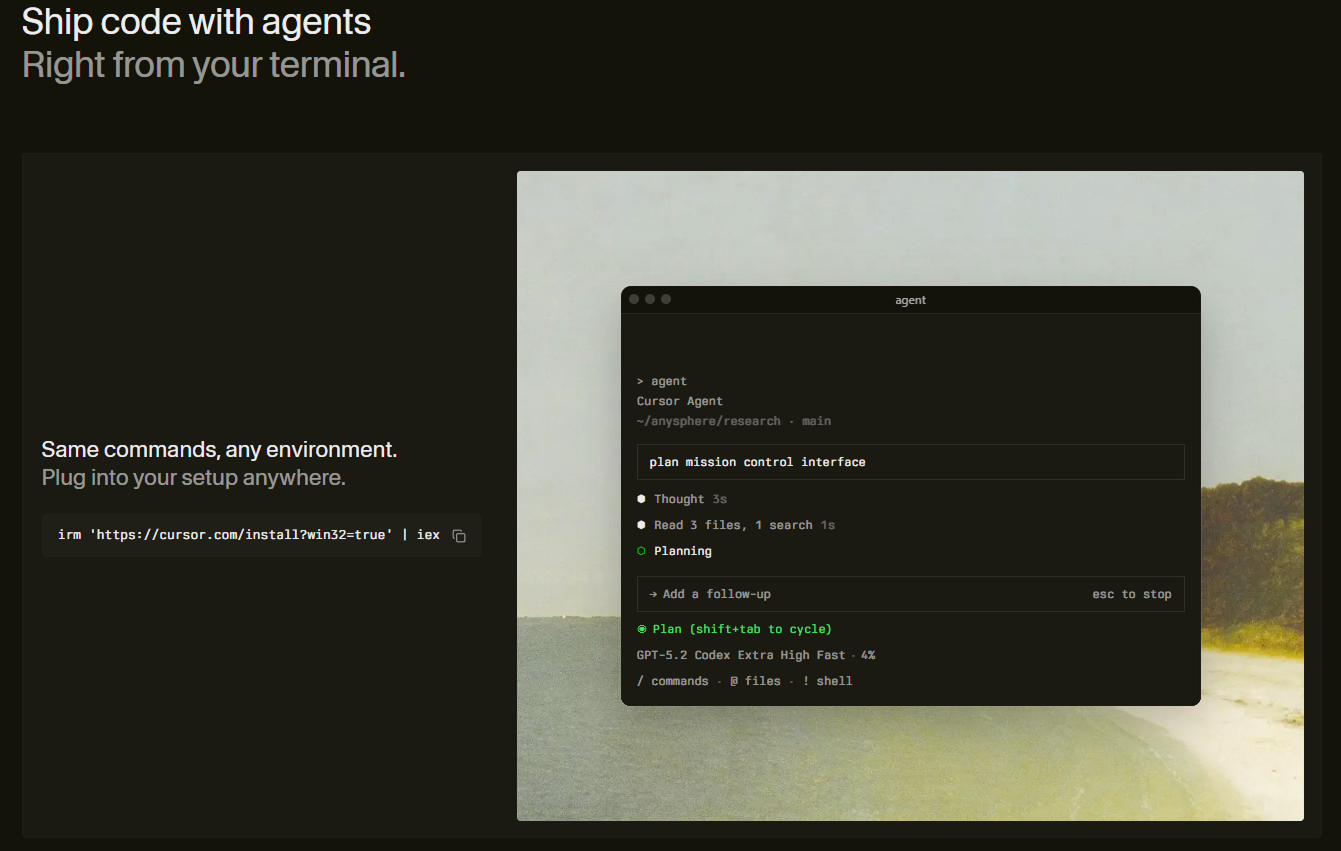
Early on, users expected clear, functional pointers. Today, they demand fluid animations, contextual changes, and a visual language that seamlessly guides their journey across complex digital environments. This constant push for better, more intuitive interfaces has significantly shaped the trajectory of Cursor South Korea.
Understanding User Behavior with Cursors in the Korean Market
Analyzing user behavior in the Korean market reveals unique patterns related to cursor interaction. South Korean users, renowned for their digital dexterity and high-speed internet usage, often exhibit distinct expectations for cursor responsiveness and precision. They navigate interfaces with remarkable efficiency, quickly scanning content and executing commands.
- Speed and Efficiency: Korean users typically prefer streamlined interfaces allowing rapid cursor movements and minimal friction. Delays in cursor response or jerky movements quickly frustrate.
- Multi-Tasking Prowess: The ability to fluidly switch between applications and tasks often requires highly adaptable cursor behavior and excellent system responsiveness.
- Precision in Detail: From intricate online games to detailed design software, the demand for pixel-perfect cursor placement remains paramount. This drives innovation in input devices and software optimization.
These behavioral traits underscore the critical role cursor performance plays in overall user satisfaction and engagement across South Korea operations.
Key UI/UX Design Trends Impacting Cursor Interaction
UI/UX design trends significantly shape how users perceive and interact with cursors. In the Korean market, where aesthetics meet hyper-functionality, designs often prioritize clean lines, intuitive feedback, and dynamic visual cues. This influences cursor appearance and behavior profoundly.
“A cursor is not just a pointer; it’s a dynamic element of the user interface. Its design must align with the overall aesthetic and functional goals, providing immediate, clear feedback without being intrusive.”
Current trends emphasize:
- Contextual Responsiveness: Cursors adapt their appearance and shape based on the element they hover over, clearly indicating interactive areas or specific functions.
- Subtle Animations: Rather than abrupt changes, smooth transitions and micro-animations provide sophisticated feedback, enhancing the premium feel of an application.
- Personalization: Offering users options to customize cursor color, size, and even style allows for a more tailored experience, catering to individual preferences in Cursor South Korea environments.
- Reduced Clutter: Minimalist designs ensure the cursor stands out as the primary focus, guiding the user’s attention efficiently without visual noise.
These design philosophies ensure that the cursor remains a powerful, yet elegant, tool for digital interaction.
Gaming Culture’s Influence on Cursor Design and Responsiveness
South Korea’s dominant gaming culture profoundly impacts cursor design and responsiveness. Esports, in particular, demands extreme precision, low latency, and customizable input. This high-stakes environment drives innovation that filters down to general computing experiences.
| Aspect | Impact on Cursor |
|---|---|
| Esports Competitiveness | Pushes for sub-millisecond latency, pixel-perfect accuracy, and high refresh rate display support. |
| Diverse Game Genres | From RTS to FPS, cursors adapt. They become targeting reticles, selection tools, or contextual indicators, demanding versatility. |
| Customization Options | Gamers frequently personalize cursor appearance, size, and even color for optimal visibility and personal preference, influencing broader software offerings. |
| Hardware Innovation | Demand for specialized gaming mice with high DPI, adjustable weights, and programmable buttons directly improves cursor control for all users. |
This relentless pursuit of performance in gaming elevates expectations for cursor technology across all digital interactions within Cursor South Korea, setting a global benchmark for responsiveness and control.
Mobile-First vs. Desktop Experiences for South Korean Users
The duality of mobile-first and desktop experiences presents a unique challenge and opportunity for cursor design in the Korean market. While mobile adoption is extremely high, desktop PCs still hold significant ground, particularly for gaming, productivity, and complex tasks.
Mobile-first design principles often prioritize touch gestures, swiping, and tap interactions, effectively making the “finger” the primary cursor. This influences desktop design by encouraging:
- Larger, more easily clickable targets.
- Simplified navigation paths.
- Visual feedback mechanisms that mimic touch, like subtle animations on hover.
Conversely, desktop experiences for South Korea operations still necessitate the precise control of a traditional cursor. Developers must craft interfaces that feel natural on both platforms, maintaining a consistent brand experience while adapting to distinct input methods. This requires thoughtful UI/UX planning to ensure seamless transitions for users, whether they are tapping on a smartphone or clicking with a mouse on a desktop, defining the modern Cursor South Korea landscape.
The Role of Artificial Intelligence in Future Cursor Technologies
Artificial intelligence stands ready to revolutionize cursor technologies, particularly within the innovative environment of Cursor South Korea. AI can transform the cursor from a passive pointer into an intelligent assistant, anticipating user needs and enhancing interactions.
Consider these AI-powered advancements:
- Predictive Cursors: AI algorithms can analyze user patterns to predict the next likely click or interaction point, guiding the cursor closer or adjusting its sensitivity dynamically.
- Intelligent Snap-to-Target: Moving beyond basic snapping, AI can infer intent, making it easier to select small or cluttered targets based on contextual understanding.
- Gesture Recognition: Integrating AI with camera input could enable advanced hand or eye gestures to control the cursor without physical contact, offering new levels of immersion and accessibility.
- Adaptive Sensitivity: AI can adjust cursor speed and acceleration based on the task at hand – high precision for graphic design, faster movement for browsing.
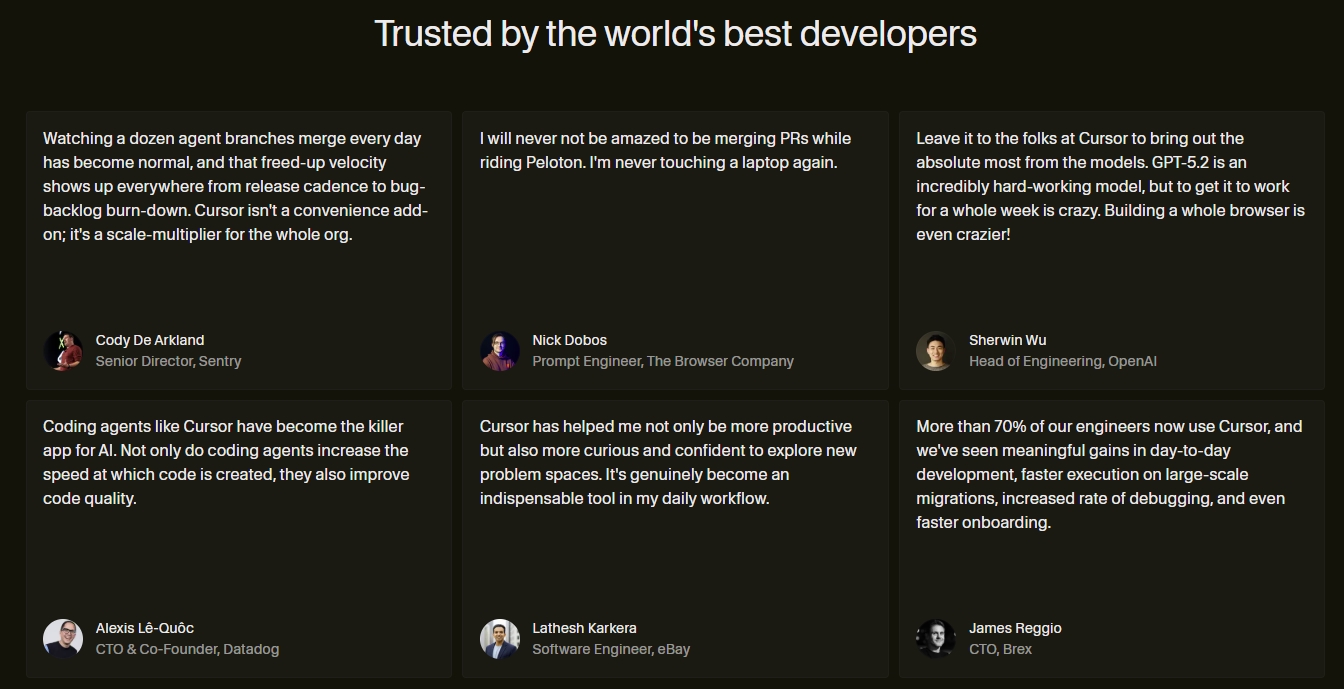
These innovations promise a more intuitive, efficient, and personalized digital experience, setting a new benchmark for how we interact with technology across the Korean market.
Accessibility Considerations for Cursor Navigation
Ensuring accessible cursor navigation remains paramount for inclusive digital experiences, especially in a forward-thinking region like Cursor South Korea. Designing for diverse needs means moving beyond standard input methods to empower every user.
Key accessibility considerations:
- Customizable Cursor Size and Color: Users with visual impairments benefit greatly from the ability to enlarge cursors or change their color for better contrast against various backgrounds.
- Enhanced Visual Feedback: Adding subtle animations, high-contrast outlines, or even sound cues when the cursor hovers or clicks on interactive elements provides crucial feedback.
- Alternative Input Methods: Integration with eye-tracking technology, voice control, or specialized switches allows users who cannot operate a traditional mouse to control the cursor effectively.
- Reduced Dexterity Support: Features like “sticky keys,” slow keys, or on-screen keyboards, combined with larger hit targets, simplify cursor manipulation for individuals with motor difficulties.
- Keyboard Navigation Equivalents: Providing robust keyboard shortcuts ensures that all actions possible with a cursor are also achievable without one, offering crucial redundancy for accessibility.
Prioritizing these elements creates a more equitable and functional digital environment for everyone in the Korean market, reinforcing a commitment to universal design.
Software Development Ecosystem and Cursor Integration
The robust software development ecosystem in Cursor South Korea plays a vital role in advancing cursor integration and interaction. Korean developers consistently push the boundaries, creating applications and systems that demand sophisticated cursor control and feedback.
Key aspects of this ecosystem include:
- Frameworks and Libraries: Developers leverage advanced UI frameworks and graphic libraries that offer rich customization options for cursor behavior, animations, and states within applications.
- Operating System Enhancements: Local OS developers and contributors frequently optimize cursor rendering, latency, and multi-monitor support, ensuring a smooth experience across diverse hardware.
- Cross-Platform Consistency: With a significant focus on mobile and web, developers work to ensure that cursor-like interactions (even touch-based ones) maintain consistency and intuitiveness across devices.
- Tooling and IDEs: Integrated Development Environments (IDEs) and other development tools provide robust APIs and debugging features for finely tuning cursor interactions, critical for high-performance applications.
This collaborative environment, driven by highly skilled Korean developers, ensures that cursor technology remains at the cutting edge, supporting the complex and dynamic digital needs of the region.
Innovation Hubs Driving Advanced Input Methods
South Korea’s innovation hubs are hotbeds for developing advanced input methods, extending far beyond the traditional cursor. These vibrant ecosystems foster collaboration between tech giants, startups, and academic institutions, propelling the evolution of human-computer interaction.
We see significant activity in areas like:
- Gesture Recognition: Research centers explore advanced camera-based gesture systems, allowing users to control digital interfaces with hand movements, effectively creating an invisible, space-bound cursor.
- Eye-Tracking Technology: Innovations here enable users to control the cursor simply by looking at elements on a screen, offering hands-free navigation for various applications.
- Haptic Feedback Integration: Companies integrate sophisticated haptic feedback into input devices, providing tactile sensations that enhance cursor interaction, making digital clicks feel more tangible.
- Brain-Computer Interfaces (BCI): While still in early stages, some hubs investigate BCIs for controlling cursors with thought, opening revolutionary possibilities for accessibility and unique user experiences.
These hubs, creating a strong regional presence for tech innovation, continually redefine what a “cursor” means, moving towards more intuitive and immersive ways for users in Cursor South Korea to engage with their digital world.
Cultural Nuances in Digital User Experience
Cultural nuances deeply influence digital user experience, including how users interact with cursors in the Korean market. Understanding these subtle differences is key to crafting truly effective interfaces.
Consider these points:
- Information Density: Historically, Korean digital interfaces often packed more information onto screens. This required cursors that could navigate intricate layouts efficiently and precisely.
- Speed and Efficiency: A cultural emphasis on speed translates to a demand for responsive cursors and rapid task completion. Slow or laggy cursors quickly lead to frustration.
- Aesthetics and Detail: The appreciation for refined aesthetics means cursors often feature subtle animations, thoughtful designs, and integrate seamlessly into the overall UI, rather than appearing as stark, generic pointers.
- Community and Social Interaction: Online communities and social platforms are integral. Cursors often play a role in quick reactions, emoji selection, and expressing nuanced sentiments within these interactive spaces.
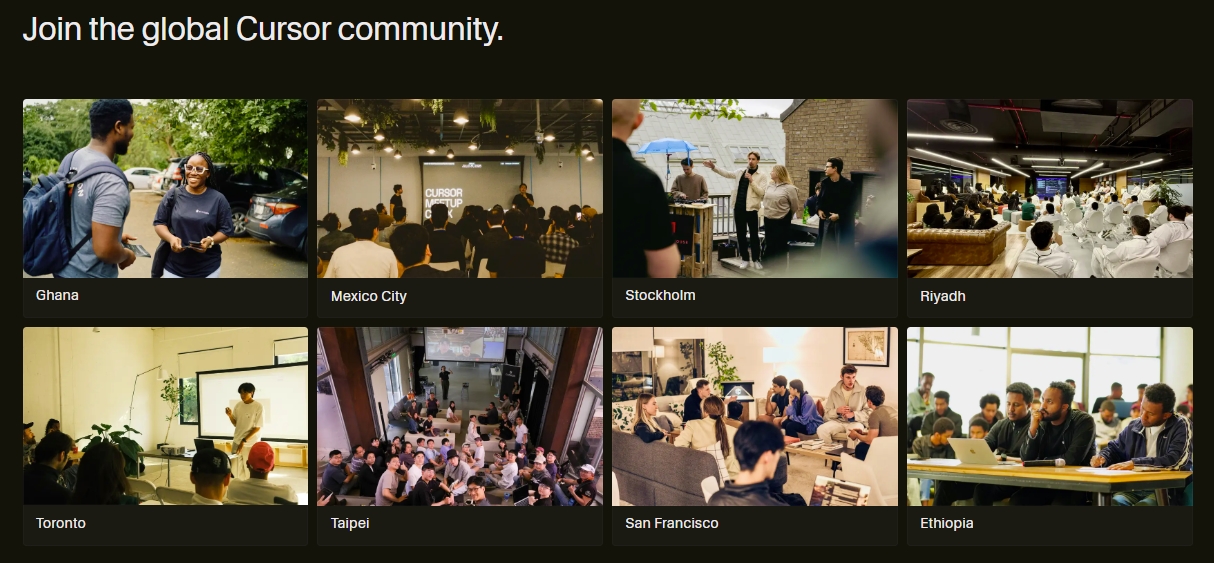
These cultural elements ensure that cursor design is not a one-size-fits-all solution, but a carefully considered component tailored to the unique expectations of Cursor South Korea users.
The Impact of Display Technology on Cursor Performance
Display technology significantly impacts cursor performance and the overall user experience within Cursor South Korea. High-end displays are common, and users expect flawless visual feedback from their cursors.
| Display Technology Feature | Impact on Cursor |
|---|---|
| High Refresh Rates (120Hz+) | Provides incredibly smooth cursor motion, reducing perceived lag and enhancing precision, crucial for gaming and fast-paced tasks. |
| High Resolution (4K, 8K) | Allows for sharper, more detailed cursor rendering, but also demands greater graphical processing power to maintain smoothness. |
| OLED/Mini-LED Panels | Offers perfect blacks and vibrant colors, making cursors stand out more clearly, especially against dark backgrounds. |
| Low Latency Displays | Minimizes the delay between input and visual response, making cursor movements feel instant and directly connected to user actions. |
These advanced display capabilities set a high bar for input device and software developers working on South Korea operations, pushing for continuous optimization to deliver a truly superior cursor experience.
Exploring Different Cursor Types and Their Applications
Beyond the familiar arrow, the digital landscape of Cursor South Korea utilizes various cursor types, each meticulously designed for specific applications and user interactions. Understanding these variations helps tailor effective user experiences.
Common cursor types and their primary applications include:
- Standard Arrow Pointer: The default for navigation, selecting items, and general interaction on desktops. Its simplicity makes it universally recognizable.
- Hand Pointer (Link Cursor): Indicates a clickable element, signaling to users that an action will occur upon selection. Essential for web browsing.
- Text Selection (I-Beam): Appears when hovering over editable text, allowing precise text selection and insertion.
- Resize Cursors (Double-Arrow): Used to modify the dimensions of windows, images, or elements, showing the direction of resizing.
- Busy/Loading Cursor (Spinner/Hourglass): Informs the user that the system is processing a request, preventing further input until the operation completes.
- Custom Application Cursors: Many creative and specialized applications, such as graphic design suites or CAD software, feature unique cursors for brushes, pens, or specific tools, enhancing precision for Korean developers.
Each cursor type serves a distinct communicative purpose, guiding users intuitively through complex digital environments and enriching the overall interaction in the Korean market.
Security Implications of Advanced Cursor Tracking
Advanced cursor tracking, while enhancing user experience, also introduces significant security implications, a growing concern within Cursor South Korea and globally. Collecting detailed cursor movement data can inadvertently reveal sensitive user information.
Key security concerns include:
- Behavioral Biometrics: Unique cursor movement patterns could potentially serve as a form of identification, raising privacy questions if not handled securely.
- Data Leakage: Unencrypted transmission of cursor data, especially on sensitive sites, could be intercepted, revealing user intent or even keystrokes if cursor tracking is highly integrated.
- Phishing and Scams: Malicious actors could mimic legitimate cursor behaviors or visual cues to trick users into clicking fraudulent links or entering credentials.
- User Profiling: Aggregated cursor data can create detailed user profiles, which, without transparent consent, can lead to privacy violations and unwanted targeted advertising.
For South Korea operations, robust data encryption, clear privacy policies, and user consent mechanisms become essential safeguards to protect individuals in an increasingly data-rich environment.
How South Korean Startups are Redefining Cursor Interaction
South Korean startups consistently redefine cursor interaction, pushing innovation boundaries in the dynamic Korean market. These agile companies leverage emerging technologies to create novel ways for users to engage with digital interfaces.
These ventures often focus on:
- Touchless Control: Developing systems that allow users to manipulate cursors through hand gestures, reducing physical contact and enhancing accessibility.
- Augmented Reality Integration: Crafting AR experiences where cursors become 3D pointers in physical space, interacting with virtual objects superimposed on reality.
- Context-Aware Cursors: Building intelligent cursors that adapt their functionality and appearance based on the user’s current task, application, or even emotional state.
- Biometric Feedback: Experimenting with subtle biometric inputs, such as minor muscle twitches or eye movements, to refine cursor control and reduce user effort.
The entrepreneurial spirit of Korean developers in these startups ensures a constant stream of fresh ideas, keeping Cursor South Korea at the forefront of human-computer interaction advancements and inspiring new South Korea operations.
Predictions for the Future of Cursors in the Korean Digital Landscape
The future of cursors in the Korean digital landscape promises radical transformation. We anticipate a shift from solely physical input devices to a more integrated, intelligent, and context-aware interaction paradigm. The essence of the cursor – indicating focus and intent – will remain, but its manifestation will evolve significantly.
Key predictions for Cursor South Korea:
- Ubiquitous Touchless Interaction: Gesture-controlled and voice-activated “virtual cursors” will become commonplace, reducing reliance on physical peripherals, especially in public interactive displays.
- Deep AR/VR Integration: In augmented and virtual realities, cursors will be spatial, responding to head movements, eye gaze, or hand tracking, blending seamlessly with immersive environments.
- Proactive AI-Driven Cursors: Leveraging advanced AI, cursors will anticipate user actions, subtly guiding them to relevant elements, minimizing cognitive load and maximizing efficiency.
- Personalized Biometric Feedback: Future cursors might adapt their behavior based on biometric data, such as stress levels or focus, offering a truly personalized and ergonomic experience.
- Disappearing Cursors: For many routine tasks, the cursor may fade into the background, with interfaces becoming so intuitive that explicit pointing becomes less necessary, replaced by implied intent.
These innovations will further solidify South Korea’s role as a global leader in digital interaction, continually redefining how we connect with technology.
Frequently Asked Questions
What defines cursor interaction in South Korea?
South Korean users prioritize speed, efficiency, and precision in cursor interaction, driven by a high-speed internet environment and demanding digital dexterity. They expect fluid animations and contextual feedback.
How has gaming culture influenced cursor technology in South Korea?
South Korea’s strong esports culture demands extreme precision and low latency from cursors, influencing hardware innovation (e.g., high DPI mice) and software optimization for all digital interactions.
What role does AI play in the future of cursor technologies?
AI is poised to transform cursors into intelligent assistants, enabling predictive movements, intelligent snap-to-target features, gesture recognition, and adaptive sensitivity based on user behavior and context.
Why are accessibility considerations important for cursor navigation in South Korea?
Inclusive design requires customizable cursor size and color, enhanced visual feedback, alternative input methods (like eye-tracking), and keyboard navigation equivalents to ensure all users can effectively interact with digital interfaces.
How do cultural nuances impact cursor design in the Korean market?
Korean interfaces often feature high information density, demand speed and efficiency, prioritize refined aesthetics, and integrate cursors into vibrant online communities, requiring thoughtful, tailored design.